Before the start of the 2018 FIFA World Cup in Russia, the German national team's official social media account posted a famous "departure list" which read: 18,000 liters of beer, 700 kilograms of sausages, and 300 kilograms of potatoes are ready!
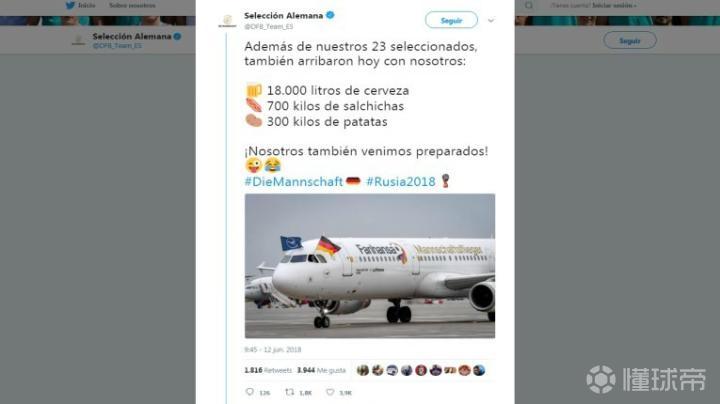
The news sparked a flurry of jokes online, with many commenting, "This list is so typical of Germany!" However, as the discussion intensified, the German Football Association (DFB) quickly issued a denial, updating their official Twitter account to clarify that it was a joke. (Por si algunos aún están dudando, les informamos que el tweet anterior era una broma", escribieron horas después al ver la repercusión de su mensajes. If anyone still has doubts, we would like to clarify that the previous tweet was a joke.) Interestingly, almost no one questioned the authenticity of the list, as it perfectly captured the public's perception of Germans. Of course, looking back at this image years later, the most ironic aspect is something else entirely. In that World Cup, the German team was eliminated early in the group stage. Even if the Germans had indeed prepared 300 kilograms of potatoes, they would likely have had to be airlifted back to Germany.

However, if you think World Cup teams only have shoes, jerseys, and tactical boards in their suitcases, you're mistaken. During this year's USA-Mexico World Cup, the Norwegian team actually airlifted over 300 kilograms of fish and 116 kilograms of brown cheese to their training base; the Argentinian team once again brought boxes of yerba mate to North America; some teams brought their own chefs to their accommodations, while others prepared a series of entertainment facilities for their players. Before the World Cup even kicked off, a massive "relocation" operation had already begun. After all, for many players, the hardest thing to adjust to during a month-long World Cup experience is never just jet lag, but also the sudden disappearance of familiar flavors.
England: They brought half a playground, but lost their training equipment.
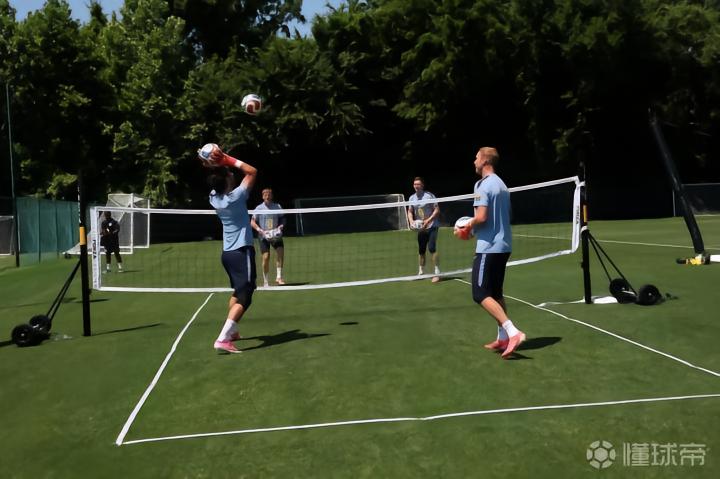
During this World Cup, the England team is based at a training base near Kansas City. In addition to regular training equipment, the team has prepared a wide range of recreational facilities, including darts, board games, cards, a golf area, and various relaxation spaces for the players.
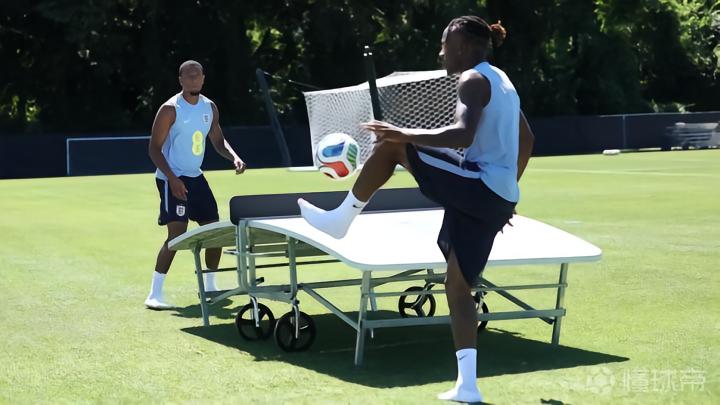
Tuchel's idea was simple. The World Cup is a long process; players not only need to train, but also need to learn how to spend their time outside of training. However, during World Cup preparations, a batch of training equipment for the England team was stolen. According to ESPN, the stolen items included footballs, training gear, and players' boots.
Fans' comments were quite direct: "Looks like the team's security was keeping a close eye on the entertainment area the whole time, but the training equipment got stolen first." Even more interesting things happened during their stay at the training camp. According to The Sun, the England team bought a second-hand pool table from a 68-year-old local woman named Lynn Brown while in Kansas. She had simply wanted to sell her 20-year-old pool table online, but the buyer turned out to be a member of the England national team's support staff. Several staff members arrived in a truck, and it took five or six people to lift the heavy table onto the truck. The report stated that the pool table sold for approximately £520, and the entire transaction was very simple; the only unusual thing was that the buyer was a member of the Three Lions' staff.
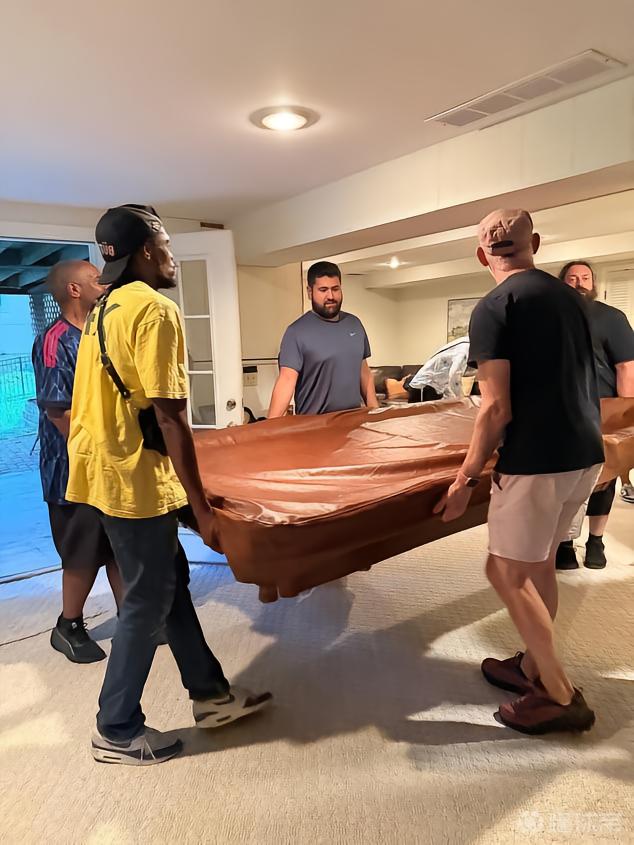
It's quite interesting, actually. Billiards originated in England, yet the England team has "bought back" a pool table in the US as a key entertainment facility at their World Cup accommodations. And there's much more like that at the England team's accommodations: board games, darts, and a full range of gaming areas. The England team is bringing a whole host of British leisure activities.
Norway: Before the World Cup even starts, they've already shipped half a ton of fish.
While the German Football Association merely put on a show back then, this year the Norwegian Football Association has actually shipped over half a ton of food to the team for preparations. According to Norwegian media outlet VG, to prepare for their first World Cup in 28 years, the Norwegian Football Association airlifted over 300 kilograms of fish, 116 kilograms of brown cheese, and 6,000 oranges to their training base in North Carolina. The team's head chef even remarked with a touch of exasperation, "Carrying half a ton of fish across the Atlantic is no easy feat."
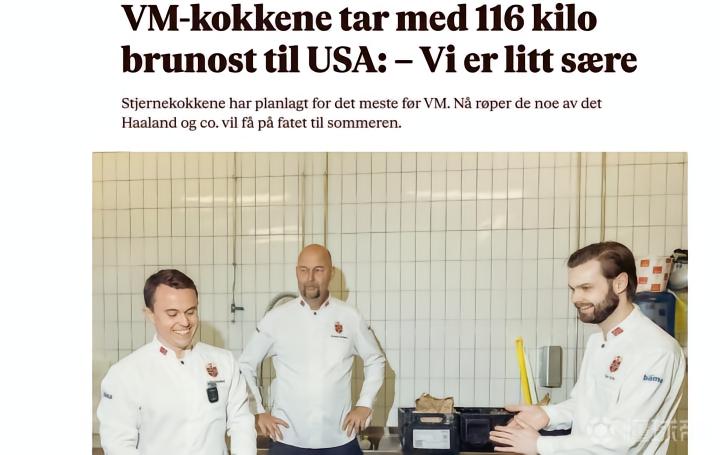
Why do fish need to be transported?
Because the players are used to it.
Why is cheese transported?
Because they're used to eating it too.
As for the 6,000 oranges, that's to ensure we can drink freshly squeezed juice every day.
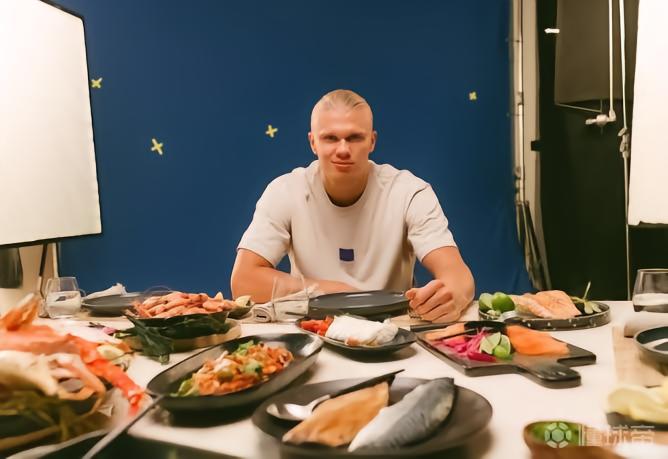
While it's difficult to prove a direct link between Haaland's goal and the fish, it's clear that while many teams are still adjusting to American food, the Norwegian team has essentially turned their training base into a Norwegian branch. Salmon, brown cheese, orange juice—everything's there. The World Cup is being played in America, but breakfast is still Norwegian. Returning to the World Cup after 28 years, they've brought not only Haaland and Odegaard, but also their familiar eating habits.
Argentina: We can leave the championship trophy behind, but we can't forget the mate tea.
If we were to select the most reliable supplies for teams during the World Cup, mate would definitely be on the list.
Wherever the Argentine team goes these years, mate tea almost always appears in the players' photos.
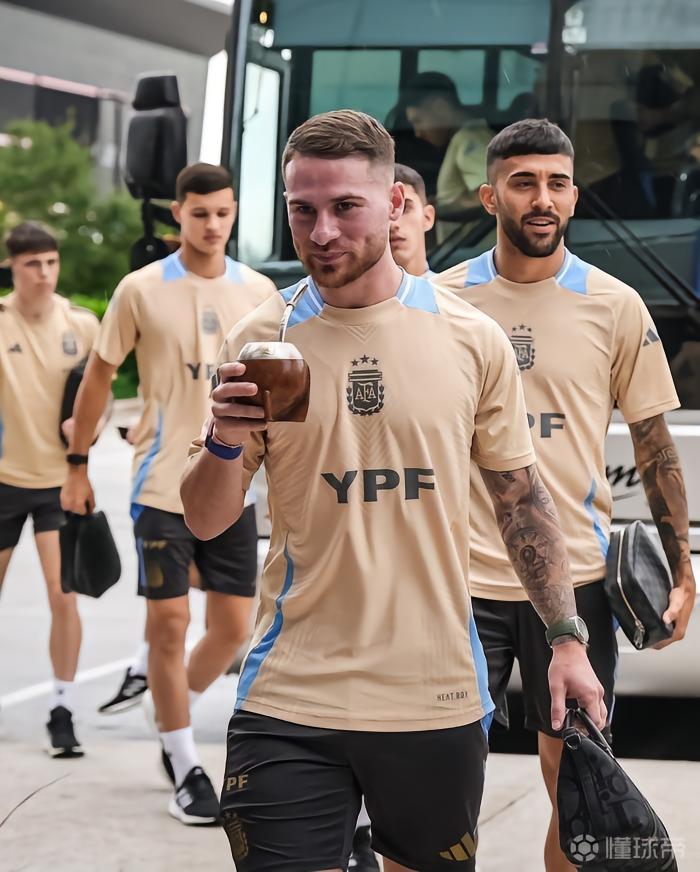
Drink before training.
Drink after training.
Drink it while riding the bus.
Drink while chatting.
Many players even held the familiar mate cup while being interviewed. The media has captured images of Argentine stars carrying mate tea as they stepped off the team bus on numerous occasions.
Therefore, during major tournaments, the Argentine team's logistics staff prepares a large amount of tea in advance so that the players can enjoy that familiar taste during breaks from the game.
Senegal: Before the World Cup even started, they demonstrated the security check process.
Before the start of the World Cup, a video suddenly went viral on social media.
In the footage, Senegalese national team players stand on the airport tarmac, their luggage spread out, queuing to be checked by handheld detectors.
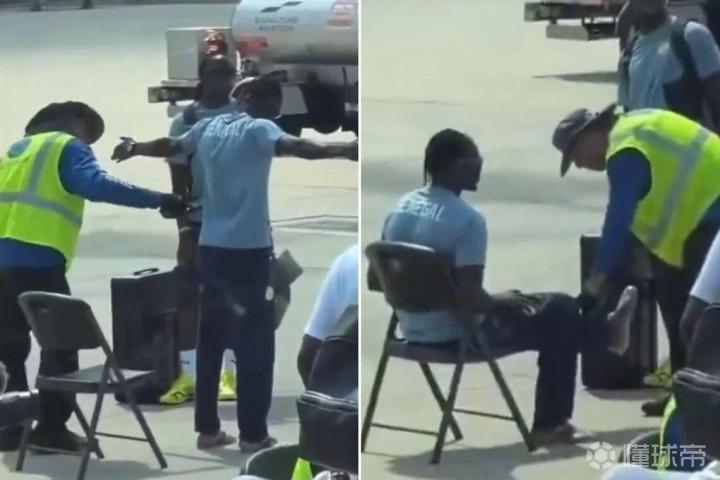
Someone opened their arms.
Some people were waiting to be searched.
The scene appeared quite serious, with the players seemingly being treated differently, sparking heated discussions online. In response to the public outcry, the Senegalese Football Federation emphasized that all checks were strictly conducted in accordance with airport security regulations and were not special measures targeting the team, but rather a special arrangement to improve travel efficiency. However, the video had already spread across the internet. Thus, before the World Cup even started, the Senegalese team gained a surge in online attention. While other teams were showcasing their training facilities, the Senegalese team was demonstrating their security check procedures.
In terms of media coverage, they may be one of the first teams to gain widespread recognition in this World Cup.
Seeing this, the German team's 2018 expedition list of "18,000 liters of beer, 700 kilograms of sausages, and 300 kilograms of potatoes" doesn't seem so outrageous anymore.
The World Cup is more than just the matches. Some people transported half a ton of fish across the Atlantic, some moved pool tables into training bases, and some brought boxes of mate tea across half the globe. Although the gifts they brought were different, the purpose was the same: to let these players, far from home, feel a touch of familiarity.
The World Cup is global. But when we step into each team's training camp, we find it still brimming with local flavor. Norwegians eat Norwegian fish in America. Argentinians chat over mate tea. Englishmen play darts and billiards in the lounge. For the players, the World Cup is a month-long, high-intensity competition. But for the support teams, it's more like a cross-continental relocation.
However, some people were carrying training equipment.
Some people were carrying fish, cheese, and mate tea.
Some people have moved here; it feels like home.