This article is reprinted and translated from Football Heritage, originally published on July 1st local time, by Carlos D. Mojica.
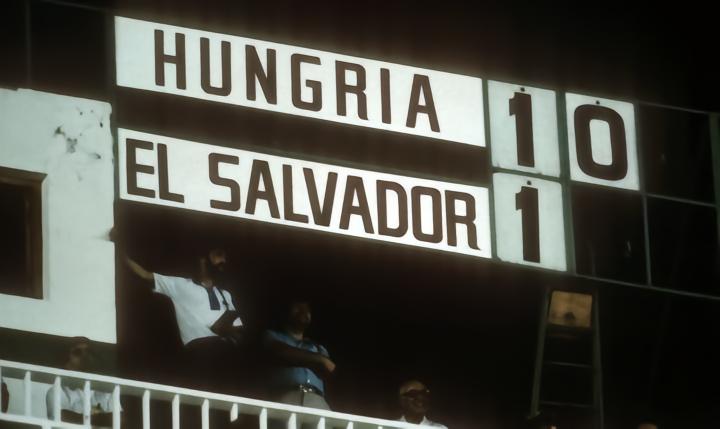
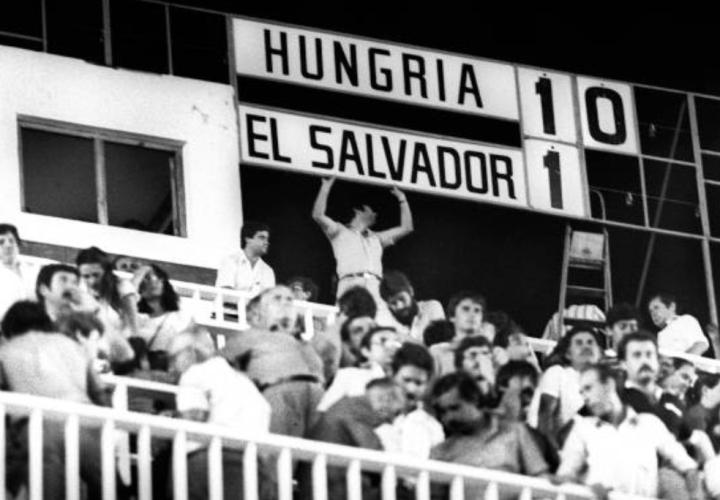
Introduction: In the 1982 World Cup, El Salvador suffered a crushing 1-10 defeat to Hungary, one of the most humiliating losses in World Cup history. For over forty years, it has been repeatedly cited as a record and a topic of conversation, but for El Salvador, which was then experiencing civil war and hastily preparing for the tournament, it was more of a story about war, football, and national memory.
Every four years, when the World Cup arrives, there is always an inevitable "one-sided" match.
Within minutes of the start, the outcome was almost obvious.
At some point during these kinds of matches, commentators often casually mention that the record for the most goals in a single Men's World Cup match was set in 1982 when Hungary defeated El Salvador 10-1 in the group stage.
The commentator then added: This score also equals the record for the "largest point difference" in a World Cup match.
For most people, this is just a little-known anecdote that may or may not have been heard of, but it will soon be forgotten until it is brought up again four years later.
However, if you ask any Salvadoran about that "10-1" match, they will immediately shake their heads.
For them, the score is an indelible memory, a story told incompletely, while the rest of the world often only grasps the surface. As the old saying goes in football: the final score doesn't tell the whole story.
El Salvador's Road to the World Cup
By 1981, El Salvador was embroiled in a brutal and bloody civil war that lasted 12 years, resulting in more than 75,000 deaths and 8,000 missing persons, according to a United Nations report.
In the shadow of war, the El Salvadoran national team became a rare source of spiritual comfort for the people of El Salvador. Even during the World Cup qualifiers, the two sides would reach an informal ceasefire on match days. El Salvador successfully qualified for that year's CONCACAF Championship. Six teams participated in the tournament, competing in November for two spots in the 1982 World Cup in Spain.
Despite losing their opening match to Canada, El Salvador rallied to finish second, and on the way there, they pulled off a stunning upset, defeating CONCACAF champions Mexico 1-0 to become the first Central American team to qualify for the World Cup twice.
Just three weeks after the results were announced, the Mossot massacre broke out in El Salvador . This tragedy, which killed approximately 700 to 1,000 people, was the deadliest single massacre during the Salvadoran civil war .
In the World Cup group stage, El Salvador was placed in Group 3, alongside defending champions Argentina , Belgium (last European Championship runners-up), and Hungary . However, in their preparations for the World Cup, the team encountered a series of difficulties, many of which were self-inflicted.
First, the El Salvador Football Federation could have registered 22 players, but only registered 20, and instead brought two officials, which meant that the team had two fewer available slots than other participating teams from the very beginning.
Furthermore, while other participating teams arrived in Spain early to acclimatize, El Salvador nearly missed their registration deadline. The team endured a grueling 72-hour journey, transiting through three different countries, ultimately becoming the last team to arrive at the World Cup venue. They didn't arrive in Spain until three days before their first match against Hungary, leaving them virtually no time for pre-match preparations.
Upon arriving in the Iberian Peninsula, the El Salvador team's logistical problems did not improve; instead, they piled up. Besides the appalling accommodations, the team didn't even have training uniforms or a football, forcing them to borrow from other participating teams.
To make matters worse, the coaching staff only received the Hungarian team's match video the night before the game, leaving the head coach with very little time to study the opponent and formulate tactics. A series of mistakes and objective factors combined to ultimately result in what is widely regarded as one-sided a match in World Cup history.
The incredible score of 10-1
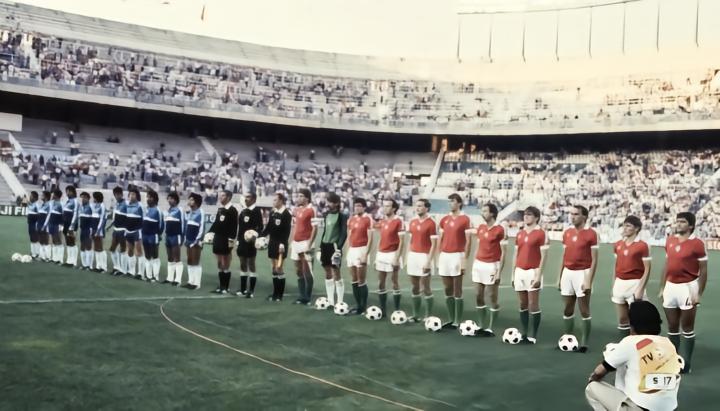
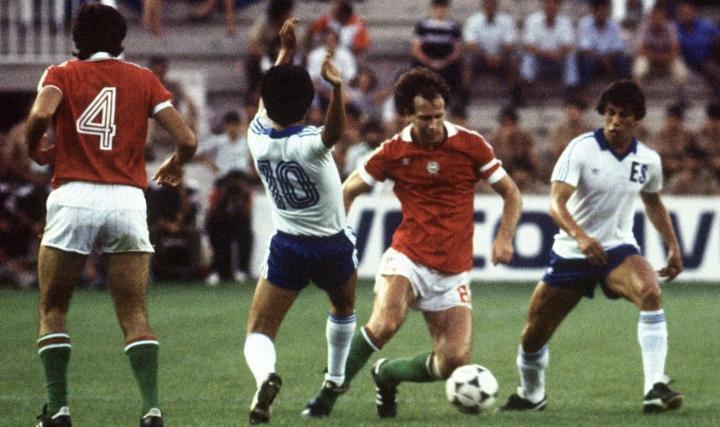
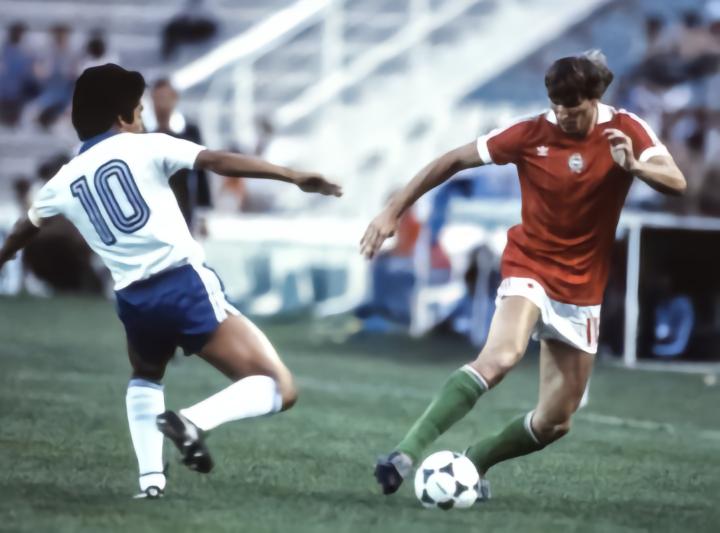
On June 15, 1982, El Salvador faced Hungary in Elche. This team had the youngest average age in that World Cup, at only 23.3 years old; head coach Mauricio Rodriguez was only 36 years old, also the youngest head coach in that World Cup.
Rodriguez fielded a highly attacking formation, convinced that the Hungarian team was not invincible. However, this tactic quickly backfired, and the Hungarian team broke the deadlock just four minutes into the game.
In the first half, Hungary fully exploited the numerous gaps left in El Salvador's midfield, constantly creating threats. At halftime, Hungary led 3-0. Despite trailing by three goals, El Salvador was not without its own chances, creating several dangerous attacks under the leadership of Jorge Majicko-González . This key player remained the most dangerous figure for the Hungarian defense.
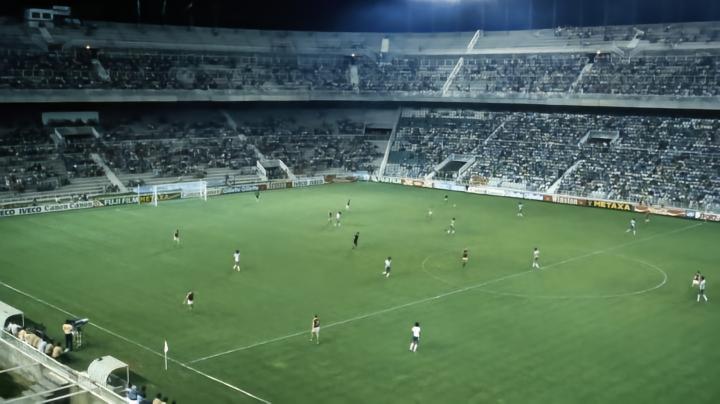
However, in the second half, El Salvador completely collapsed. Hungary scored two more goals, extending their lead to 5-0, and only then did El Salvador finally pull one back.
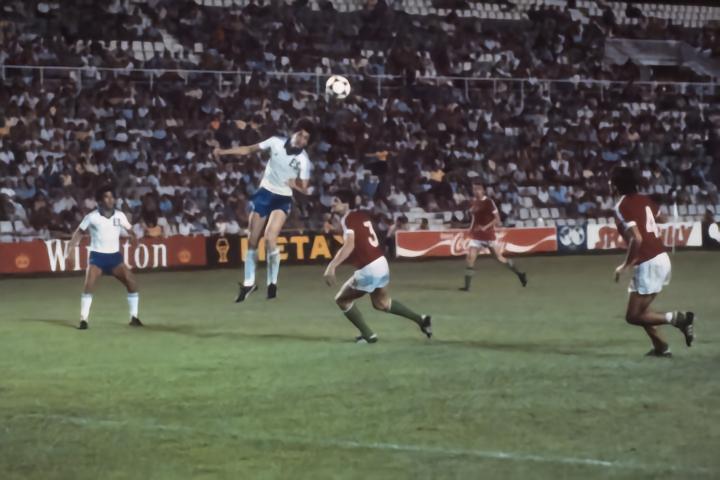
In the 64th minute, Luis Ramirez Zapata seized an opportunity during a scramble in the penalty area, quickly pounced on the rebound and scored the only goal of the match for El Salvador.
Despite the still significant score difference, Ramirez celebrated the goal with great excitement, and fans back in El Salvador cheered as well, as it was El Salvador's first-ever World Cup goal.
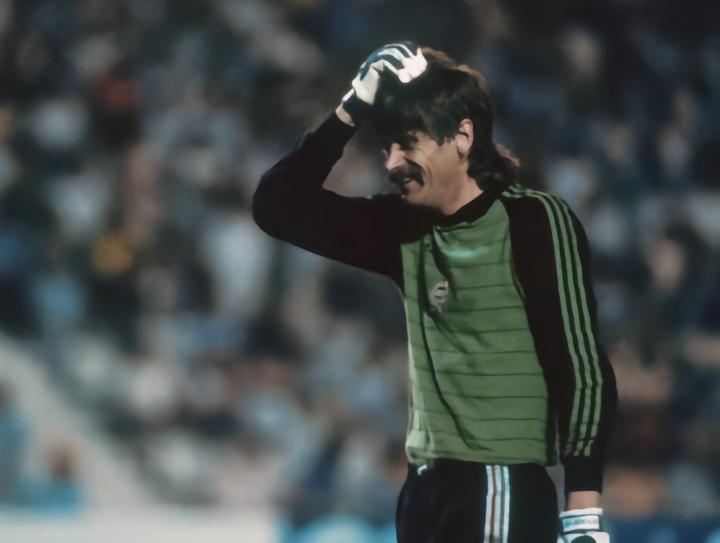
However, the hope brought by that goal was short-lived. Within 12 minutes of Ramirez's goal, Hungary scored four more goals, completely crushing El Salvador. In the 83rd minute, Hungary scored again, sealing the score at a resounding 10-1.
What happened after that match?
Following this crushing defeat, the Salvadoran players, led by captain Norberto Veso , objected to head coach Mauricio Rodriguez 's tactical arrangements and even refused to continue implementing his tactical plans.
Facing stronger teams like Argentina and Belgium , El Salvador subsequently switched to a more defensive tactical system.
This adjustment yielded significant results. Although they ultimately lost to both Belgium and defending champions Argentina, they conceded only one goal against Belgium and two against Argentina, even managing to prevent Maradona from scoring throughout the entire match.
It's worth noting that Jorge González was consistently El Salvador's most dangerous attacking threat in both matches. His excellent dribbling skills repeatedly challenged the defenses of both Belgium and Argentina, leaving the defenders of these two strong teams struggling to keep up.
Although El Salvador was ultimately eliminated from the group stage after losing all three matches, their tenacious performance against world-class teams like Belgium and Argentina earned the respect of the other participating teams.
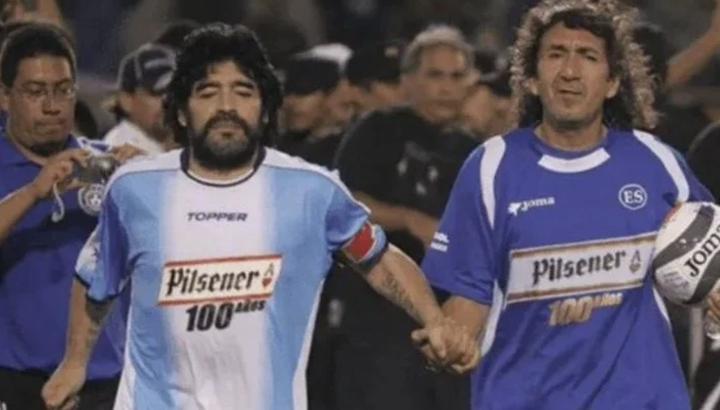
Even Maradona praised González's ability. In an interview after the World Cup, he specifically mentioned the Salvadoran star, giving high praise to his talent.
Aftermath
Upon their return home, the El Salvador team did not initially receive a hero's welcome; instead, they were met with a cold reception from the domestic media. The humiliating 1-10 defeat to Hungary became a national disgrace, and many players even received death threats as a result.
However, Jorge González was one of the few players who did not suffer this treatment. His performance at the World Cup was highly entertaining, which earned him a move to Cádiz FC. He then played for the La Liga team for 10 years, leaving in 1991 already widely regarded as the club's greatest player in history, and officially retired in 1999.
To this day, González is still widely regarded as the greatest player in El Salvadoran football history, and there is a stadium in El Salvador named after him to commemorate his legendary career.
As time went by, that crushing defeat against Hungary gradually became part of El Salvador's football culture. Even today, whenever the El Salvadoran national team is about to face a strong opponent, fans still console themselves by saying, "Even if we lose, it can't be worse than 1-10."
Although the loss to Hungary was once considered a scar on the nation's football history, decades later, Salvadorans' attitudes toward that 1982 World Cup team have gradually changed. They no longer simply criticize them, but have begun to understand and accept that team that fought tenaciously in the World Cup during a difficult era.
Regardless, the 1982 El Salvador national team remains the last team from that country to reach the World Cup stage. Every generation of El Salvadoran players since has strived to follow in the footsteps of their predecessors, hoping to bring their country back to the World Cup.
For El Salvador, which was then going through one of its darkest periods, this team brought hope and a rare moment of joy. As time has passed, history has offered a more balanced assessment. More and more people have come to understand the various objective difficulties the players faced during the World Cup, leading to the 1-10 defeat to Hungary being seen as an unexpected and humiliating loss under exceptional circumstances, rather than a reflection of the team's true strength.
Similarly, the goal scored against Hungary's Luis Ramirez Zapata remains El Salvador's only goal in World Cup history, making it one of the most memorable moments in the country's football history.
So next time you hear a commentator mention El Salvador's 1-10 defeat against Hungary, consider the difficult circumstances behind that scoreline, rather than simply viewing it as an embarrassing record in World Cup history. That El Salvador team in 1982 deserves this understanding and respect.