
According to L'Equipe, the chairman of FIFA's Disciplinary Committee can make decisions on his own in certain cases, as seen in the case of Balogun's ban being overturned.
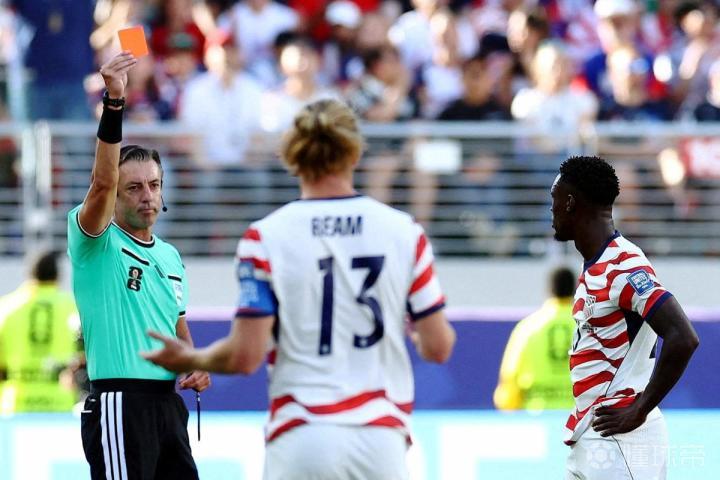
According to L'Equipe, the president of FIFA's Disciplinary Committee can make a single decision in certain cases, as seen in the case of Balogun's suspension being overturned. The Sunday Times reports that only one person decided to overturn Balogun's red card. This red card, issued in the US's 2-0 victory over Bosnia and Herzegovina in the World Cup Round of 16, would have prevented him from playing in the subsequent Round of 16 match against Belgium, who ultimately won 4-1.
The decision was reportedly made by Mohammed al-Qamali, the chairman of FIFA's disciplinary committee from the UAE, without consulting the other 17 members. Previously, US President Trump had called FIFA President Gianni Infantino to discuss what he considered an unfair red card.
FIFA's disciplinary code does allow for decisions by the president alone in certain circumstances. The code states: "The president of the committee may make decisions alone as the sole judge and delegate authority to the other members of the disciplinary committee. The president, or his designated substitute, may make decisions as the sole judge on any case covered by this code."
Therefore, a separate ruling can be used in the following situations: - Emergency appeals or cases - Initiation, suspension or termination of disciplinary proceedings - Suspension of a person for no more than 5 matches or no more than 3 months - Fines not exceeding 100,000 Swiss francs - Extension of penalties - Disputes involving the recusal of members of the disciplinary committee - Adoption, modification and cancellation of provisional measures - Issues related to match order and security - Matches that have not been played or have been permanently suspended.
As my colleagues at The Times pointed out, many of the more than 100 cases previously released by FIFA were also decided by a single member, but usually it was Vice President Jorge Palacio from Colombia who stepped forward. According to FIFA's publicly released decisions, prior to the Balogun case, Camali had never made a single decision as the sole referee.
In more important cases, the disciplinary committee typically makes decisions jointly by three members. If Mohammed Kamali did indeed defy convention and unilaterally revoke Balogun's mandatory suspension, it would heighten suspicions of political interference in the case. However, from a rules-based perspective, no violation appears to have occurred.