
On July 16th, Beijing time, England lost 1-2 to Argentina in the semi-final of the 2026 USA-Mexico World Cup. Following the match, The Athletic published a column stating that England manager Thomas Tuchel must take responsibility for the team's defeat.
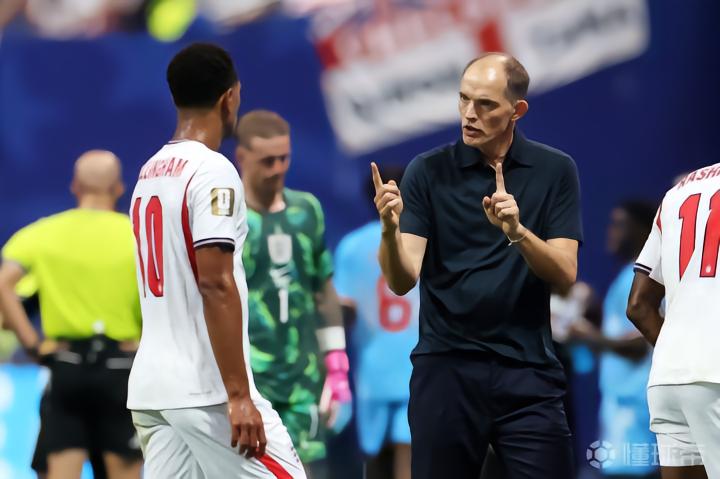
The Athletic column article
The FA's logic for appointing Thomas Tuchel in 2024 is very clear: he is a cup knockout stage expert, a tactical genius, and can tailor ingenious tactics to different opponents, creating the greatest possibility for England to win the World Cup.
During Gareth Southgate's tenure, England qualified for many crucial matches, but often found themselves on the back foot and in stalemates at critical moments, unable to adjust and keep up with their opponents' pace, ultimately retreating into a defensive posture. The most typical example was the World Cup semi-final in Moscow eight years ago, where England led 1-0 in the 22nd minute but were ultimately defeated by Croatia.
But at least this time, no one can accuse the England manager of being passive and conservative. This defeat against Argentina was a self-inflicted disaster, a collapse they themselves orchestrated. England's decision to retreat entirely to their own penalty area sealed their fate from the start – their third exit from the World Cup semi-finals, watching Argentina advance to New York.
Some might look at the scoreboard and say that England was just unlucky when Enzo Fernandez equalized with only five minutes left. But that's utter nonsense. By then, England was already on the back foot, unable to withstand wave after wave of Argentine attacks. Their earlier lead was solely due to a bit of luck and their opponents' poor finishing.
The real turning point came long before the score was equalized. Don't forget, Anthony Gordon gave England a 1-0 lead with a sharp counter-attack, a direct result of Tuchel's tactical design. The game was progressing as England hoped: Argentina was forced to press forward, creating space for counter-attacks. But England retreated. They squandered the opportunity.
Tuchel failed to bring on any substitutes who could add pace, and didn't bring on Saka, Madou Kei, or Rashford to distract the opposition or close out the game. After taking a 1-0 lead, England produced almost no meaningful attacks, managing only a blocked shot by Harry Kane and a counter-attack by Morgan Rodgers after holding onto the ball for too long; otherwise, they contributed nothing. The remainder of the match took place almost entirely within 20 yards of Pickford's goal.
Remember the match against Croatia in Dallas four weeks ago? England were leading 3-2 but were playing passively. Tuchel brought on Saka and Rashford, and their counter-attacking combination in the last five minutes sealed the victory. Throughout the World Cup, Tuchel and assistant coach Anthony Barry have emphasized England's Premier League stamina, speed, and high-intensity pressing. However, in this crucial match, they chose to abandon these advantages and instead retreated into a defensive posture. It's worth noting that Argentina's defense is already wary of their speed. With Paredes already off the field and Nicolas Otamendi replacing Lisandro Martinez, a large gap was left behind, waiting for England to exploit.
By the 60th minute, England's defense had retreated dangerously deep, almost entirely defending within their own penalty area. Messi began roaming into dangerous areas where he could threaten England, and when he passed the ball to Nicolas González, forcing Pickford to make a save, Tuchel clearly had to act. As Argentina's coach Scaloni famously remarked after the match: Argentina had smelled blood.
The second water break was supposed to be Tuchel's chance to stem the bleeding, just like the adjustments he made against Norway last week. Instead, Tuchel made one of the most devastating tactical changes of the England manager in a major tournament, a move that will go down in history. Instead of pressing forward and putting pressure on Argentina, he decided to revert to the "Aztec plan": switching to a five-man defense, with all players holed up in the penalty area, bringing on Ezri Konsa as an extra center-back, and replacing Anthony Gordon.
The "Aztec Plan" worked because Mexico's only tactic was to launch long balls to Raul Jimenez, allowing England to win and advance simply by clearing the ball with headers. That defensive retreat was opportune. However, in this match, building a defensive "trench" inside their own penalty area meant surrendering all space outside the box to Messi. When Messi chipped the ball to Gonzalez with 12 minutes remaining, and Gonzalez's header went wide, even a manager who wasn't a Champions League winner could foresee the consequences.
But Tuchel compounded his mistakes. He brought on Dan Burn, and England retreated further into a 5-4-1 formation. But what's the point of packing more England players into the box when Fernandez can find shooting space freely outside the penalty area? Even before the equalizer, Pickford had saved one of his long-range shots, essentially giving Fernandez the opportunity to find his shooting rhythm.
From that moment on, the outcome was already decided. McAllister even hit the post, and then Messi delivered a perfect cross, which Lautaro Martinez headed into the net. England had no chance of dragging the game into extra time – for the previous 40 minutes they had posed almost no attacking threat and had long since lost the ability to suddenly turn the tide.
From Gordon's goal to Enzo Fernandes' equalizer, England's possession was a mere 12%. This extreme "anti-possession" style of play would likely make even Mourinho frown. After repeatedly clearing the ball, how could the players possibly immediately switch gears and try to regain possession and organize an attack?
It was too late; there was no turning back. After the final whistle, the England players appeared utterly devastated. They knew they were so close to reaching their first Men's World Cup final in 60 years. Gordon remained in the tunnel for a full 25 minutes after the final whistle before finally walking wearily into the players' tunnel.
When England were eliminated in the semi-finals of 2018 by Croatia at the Luzhniki Stadium in Moscow, the defeat was painful, but it was more like a valuable learning experience. That England team was young, not favored before the tournament, and the manager lacked experience. They lacked the wisdom and ability to reach the final, and their retreat under pressure was an unconscious, instinctive move.
But this time, there are no excuses. Many players in this England squad are reaching the World Cup semi-finals for the second time in eight years, and the core members have worked together for many years. Harry Kane and Jude Bellingham are in the prime of their careers, this England team is far stronger than the 2018 squad, and the bench options are much more abundant.
For England, this should have been a different World Cup, especially since the FA had spent a fortune hiring the tournament's top manager – a coach capable of meticulous planning, leading the team further, and fully utilizing the physical advantages of Premier League players. But the outcome was the same as always: England was ineffective in attack, resorting to a purely defensive strategy until they were completely overwhelmed by their opponents.
The only difference is that this time, England chose to destroy itself.