The World Cup has come to a close. How did you watch the games in this sweltering summer heat—did you watch them while taking a break? Stay up all night? Watch them on replays during your break? But seeing the listless college students during the day, I can't help but feel envious—because they're on vacation and can watch them however they want. When will I be able to take a vacation because of the World Cup?

Which countries have announced holidays for this World Cup?
This World Cup has seen several instances of governments declaring holidays due to the tournament. Some holidays were to celebrate good results, others to facilitate spectators, and still others were to alleviate local traffic congestion in host cities.
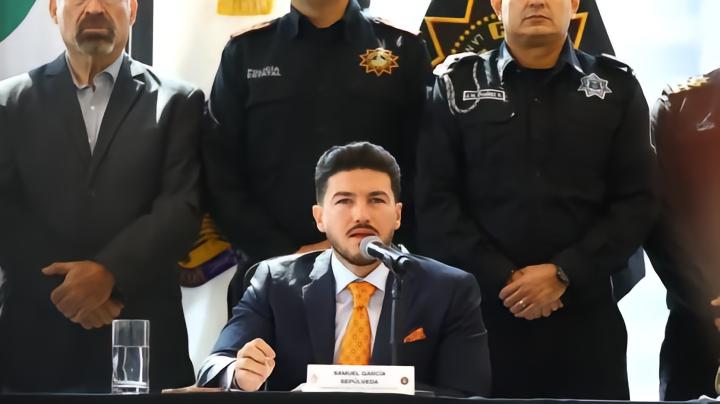
As one of the host countries, Mexico's Nuevo León state governor Samuel García announced that the day of the Netherlands vs. Morocco match will be designated a public holiday in the state. This is to facilitate travel and enhance security during the World Cup in Monterrey. All schools will be closed, significantly improving urban transportation, road safety, and public safety.
To make it easier for the Jordanian people to watch the games in the early morning, Jordanian Prime Minister Jafar Hassan decided on the occasion of Jordan's first match in this World Cup to postpone the official working hours to 10:00 a.m. on the days when the Jordanian national football team participates in the World Cup, so as to facilitate everyone's viewing.
Similarly, prior to the first match, the Panamanian government ordered the closure of national and municipal public offices half a day earlier than scheduled, starting at 2 p.m. local time on June 17, to make way for the national team's first World Cup match.
What impressed us most were Ecuador and Paraguay. The former came from behind to advance to the round of 32, while the latter pulled off a stunning penalty shootout to reach the round of 16. Both teams also announced a public holiday the following day to celebrate their victories over Germany.
Sign today, get a holiday tomorrow?
Although small countries like Panama and Jordan could announce holidays and work schedule adjustments for the World Cup the day before yesterday, they all mentioned that the policy applied to the "public sector," while most private companies could still choose to operate as usual on that day, and bosses could choose not to let their employees go.
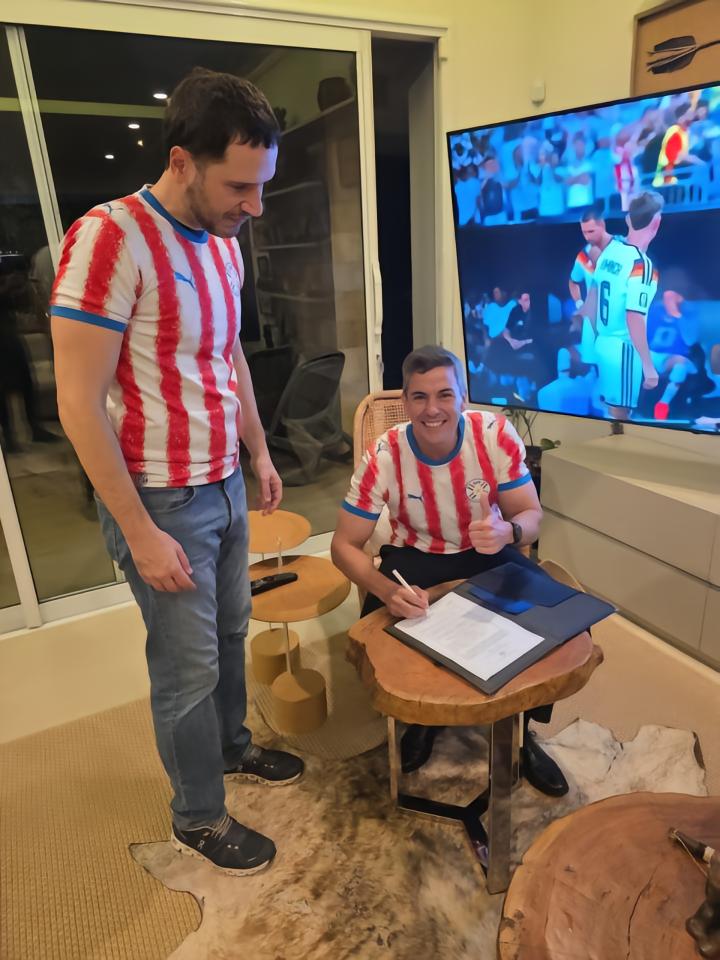
We've seen that in Paraguay and Ecuador, the presidents actually post on social media, and after a few hours of preparation, the official websites release the documents. However, Paraguay actually amended its law in 2025, authorizing the executive branch to add additional public holidays in special circumstances. It's unclear whether this provision was specifically designed for the World Cup.
In recent World Cups, there haven't been many instances of teams winning the title and getting a day off the next day. Although Italy, Germany, France, and Spain all held celebrations or parades after winning the title, in the past twenty years, only Argentina in the last World Cup actually had a day off, which was implemented through a presidential decree.
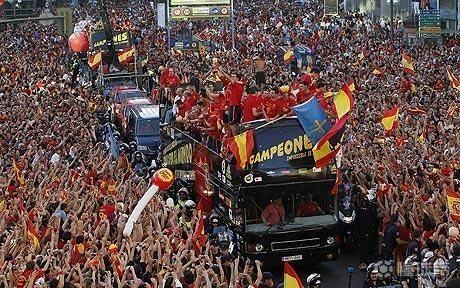
The key reason Germany cannot have a unified public holiday is that the federal government lacks the power. According to the German Basic Law, the states (Länder) have legislative power unless the Basic Law grants the federal government that power. Public holidays (except for German Unity Day) are matters for state legislation. Spain can grant holidays through royal decrees, but they didn't in 2010. Statistics show that adding a holiday would result in a loss of billions of euros in GDP, further exacerbating their situation at the time, which was already mired in the Eurozone debt crisis. Although no government declared a holiday, the day of the parade was still very lively, with football fans and employers seemingly achieving a bottom-up effect of granting a holiday.
If the UK were to implement a "bank holiday," it would need to prepare well in advance and set the date. Proposals from some opposition MPs and associations are likely to be rejected by the government. For example, proposals to add a bank holiday for England's 2022 Women's European Championship victory and to commemorate the 80th anniversary of the end of World War II in 2025 were both rejected. Adding a holiday through legislative amendments is a lengthy process; the fastest way is through a royal proclamation, but even that often takes several days. According to the Mirror, the Starmer government's original plan was not the day after the victory, but a Friday, to allow businesses time to prepare.
England's unfulfilled "bank holiday"
According to The Guardian, British Prime Minister Keir Starmer has hinted that if England wins the World Cup, they might be given a "bank holiday." Speaking about the England team at the NATO summit in Ankara, Turkey, Starmer said, "I don't want to make any absolute statements... but if we reach the final, ask me again."
However, Starmer will officially step down the day after the World Cup final (July 20). Even if he can sign the decree, he will probably no longer be prime minister on the day of the holiday, or on the way to Charles III for his signature.

So what is a bank holiday? It refers to a day when financial transactions can be suspended. Although the law does not mandate that employees take bank holidays, most employees are entitled to one day off.
According to the official explanation of the British government, the term "bank holiday" usually refers to a combination of statutory "bank holidays" and "public holidays." Initially, it simply referred to days when banks were closed, but it has gradually evolved into a general term for "public holidays." Many important events are also observed as "bank holidays," such as the Queen's Diamond Jubilee (2022) and the coronation of Charles III (2023).
In England and Wales, there are eight bank holidays per year. Whether an employee is entitled to leave on these days is determined by their individual employment contract. However, employers may require employees to work on bank holidays if permitted by contract or industry practice. Businesses are only required to meet the minimum requirement of 28 days of leave per year for their full-time employees.
If I have to work instead of taking a holiday, can I get double pay?
In Paraguay and Ecuador, you can get double pay if you work on a "World Cup holiday" day.
According to Article 217 of Paraguay's Labor Law, public holidays are mandatory rest days for workers. However, in some companies, due to the nature of their business, providing services on national holidays is essential, and therefore employers have the right to recall their employees under certain conditions. Article 234 of Paraguay's Labor Law guarantees payment of wages for working hours, with an additional 100% on top of the normal hourly wage for workdays. Ecuador's Ministry of Labor officially interprets that a 100% wage increase should be paid for work done on Saturdays, Sundays, or statutory public holidays.
In the UK, the amount of salary paid is determined by the contract. ACAS (Agency for Employment Advisory, Mediation and Arbitration Services) explains that employees should receive the same pay as when on leave. Some employers may offer more generous holiday benefits. However, bank holidays or public holidays are not necessarily paid leave. Employers can choose to include bank holidays in an employee's 28 days of statutory annual leave.
Did we have a holiday in 2002?
According to records from the China Education and Research Network, during the 2002 World Cup, nearly 40% of primary and secondary schools in Shanghai organized students to watch the match by adjusting class schedules. Many fans in the comments section also recalled the experience, with some having an afternoon off, and others having their schools or workplaces stop work to watch. The following two matches were both in the evening, and one was on a Saturday, so watching them didn't require an extra holiday.
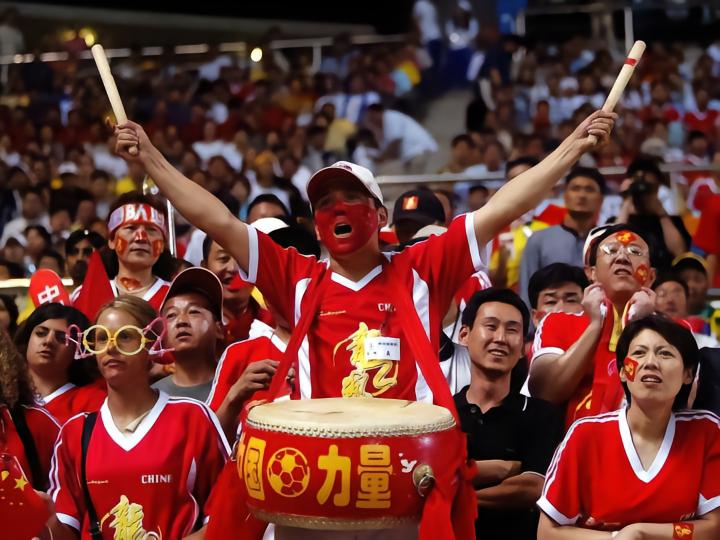
We found no official government orders or legal documents on relevant websites; whether or not to grant a holiday is a decision made by the companies themselves. This was also evident before this year's World Cup final, with internet companies, sportswear brands, and entertainment companies all vying to announce half-day or full-day holidays on the day of the World Cup final.
Before England's high-altitude match against Mexico, Tuchel said, "I suggest parents take their children out of school because the World Cup only comes once every four years." If you encounter an "insistent" leader, and if you really don't want to miss this once-in-four-years tournament, taking a day off and giving yourself a rest is a worthwhile option to indulge in.