
England's humiliating exit made Tuchel the target of criticism; his conservative approach after taking the lead sent Argentina to the final. But in reality, before he decided to park the bus, Argentina was already struggling against England's physical battles.
What did England give up? And what did Argentina do right in the last 30 minutes?
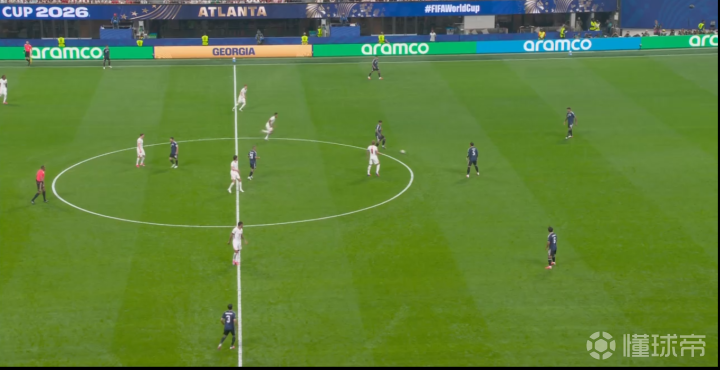
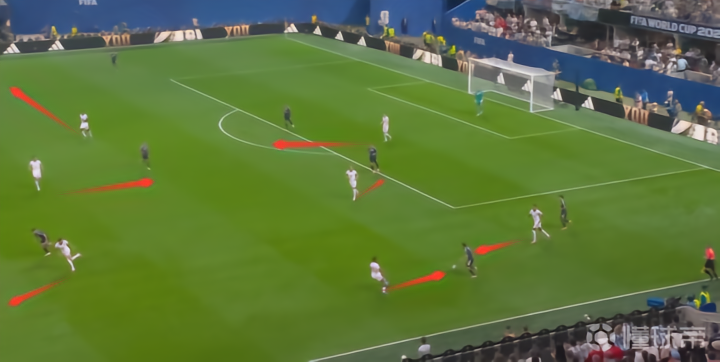
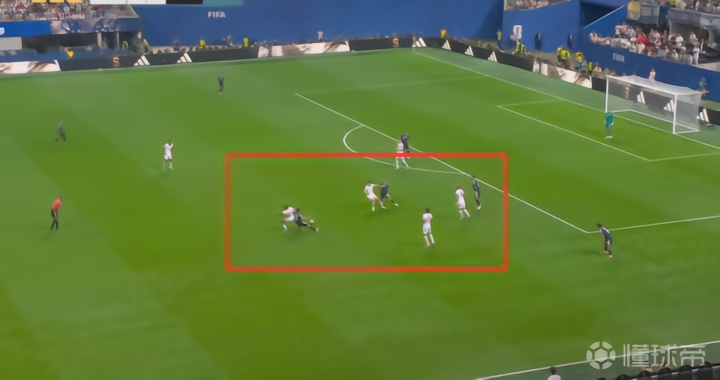
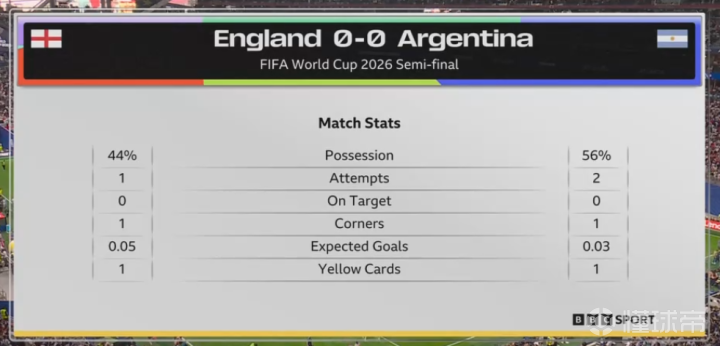
England's high-pressing strategy was highly targeted, and Argentina was constantly under pressure and stifled. This tight pressing system made it difficult for Argentina's usual 2-2-6 attacking formation to function. Statistics show that in the extremely intense and attrition-ridden first half, the expected goals (xG) were only 0.05 for England and a mere 0.03 for Argentina. England successfully dragged the game into the physical and tempo-disrupting style they desired.
After Gordon, who had been the primary attacking force throughout the second half, scored in the 55th minute, England's mentality underwent a fundamental shift.
In the 72nd minute, Tuchel substituted center-back Ezri Konsa for goal scorer Gordon; then in the 82nd minute, he further replaced Reece James and midfield maestro Declan Rice with the tall center-back Dan Byrne and the equally tall Nico O'Reilly.
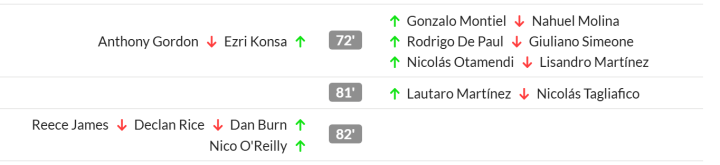
The objective was clear: to prevent Argentina from attacking the penalty area with high balls. However, this series of substitutions switched England's formation to a 5-4-1 or 5-3-2 low-block defensive style. Tuchel explained after the match that this was to counter Argentina's constant crosses from the flanks, attempting to close the gaps in the half-spaces and strengthen their aerial defense. Clearly, he hadn't watched the Japan vs. Netherlands match; otherwise, he would have known what preventative measures truly meant. This complete tactical retreat led to a series of serious consequences.
Relinquishing control of the midfield (replacing Rice) and the speed of counter-attacks in the attacking third (replacing Gordon) was tantamount to inviting Argentina to commit all their forces forward. England's decision to retreat after scoring gave Argentina considerable freedom, allowing them to move the ball around unimpeded and widen the attacking space. A team led by Messi, with three finals experience (in the last 20 years), was not about to let this opportunity slip by. Tuchel repeated the mistakes of his predecessor's overly conservative approach; relinquishing control of the game on a stage like the World Cup semi-finals is tantamount to tactical suicide.
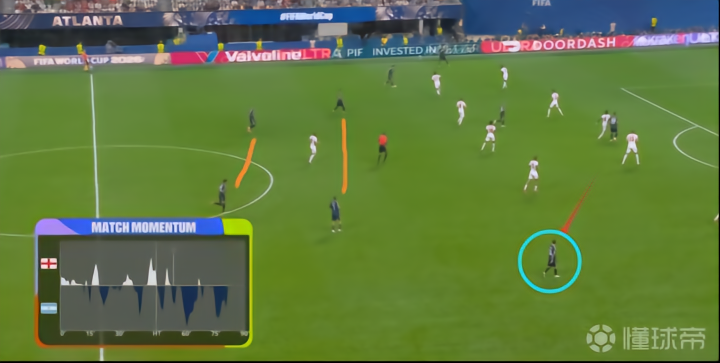
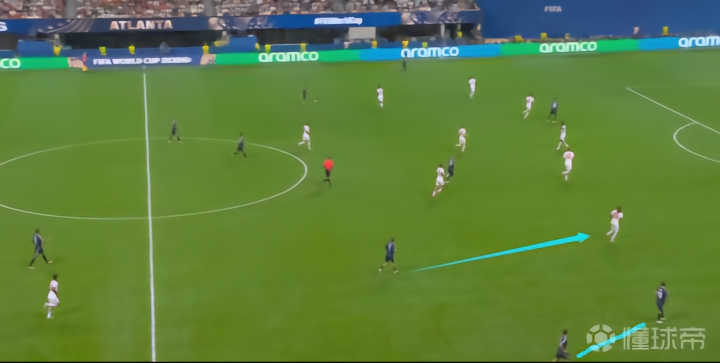
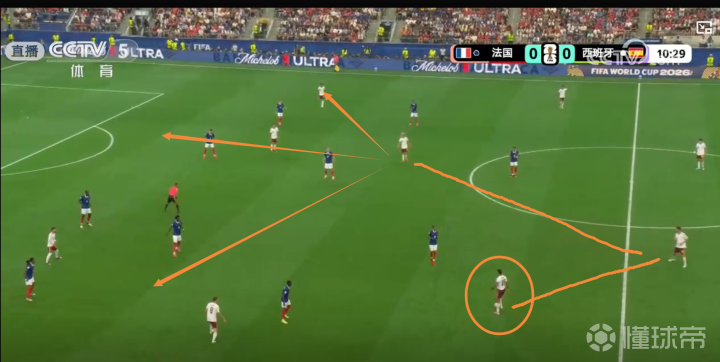
At that very moment, at 82 minutes and 42 seconds, Argentina easily deployed their usual 2-2-6 attacking formation.
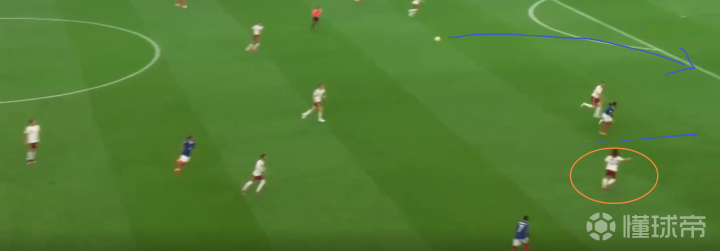
Notice the England formation at this moment; it's starting to become too flat. Keep an eye on Messi on the far end.
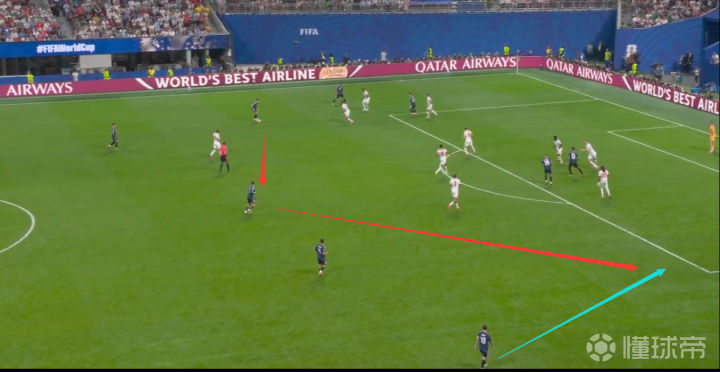
He has a lot of freedom here now. Note! This is Messi!
Two minutes later, Messi took a short corner and regained possession. Anderson, perhaps feeling England's formation wasn't flat enough, proactively went to help defend and flatten the defensive line.
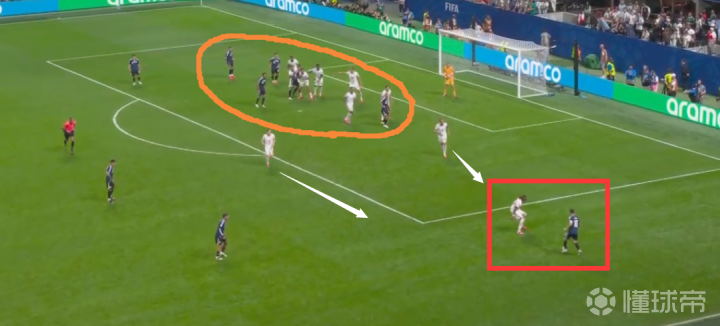
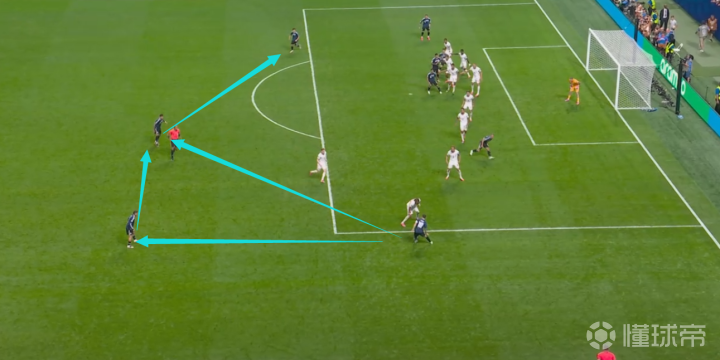
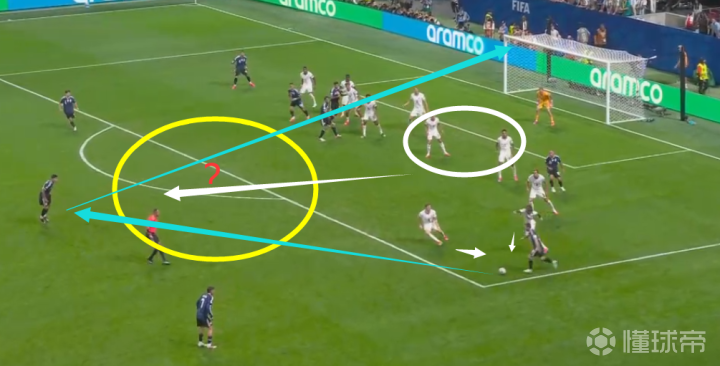
Anderson, who had been battling Enzo throughout the match, abandoned his good friend at this moment. Messi naturally wouldn't overlook such space. Enzo's position was completely empty, except for the red-shirted referee who might interfere with him. Last World Cup, Enzo also scored a brilliant long-range shot, and this time would be no exception.
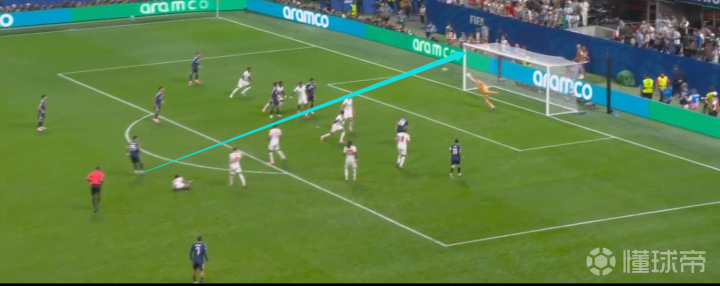

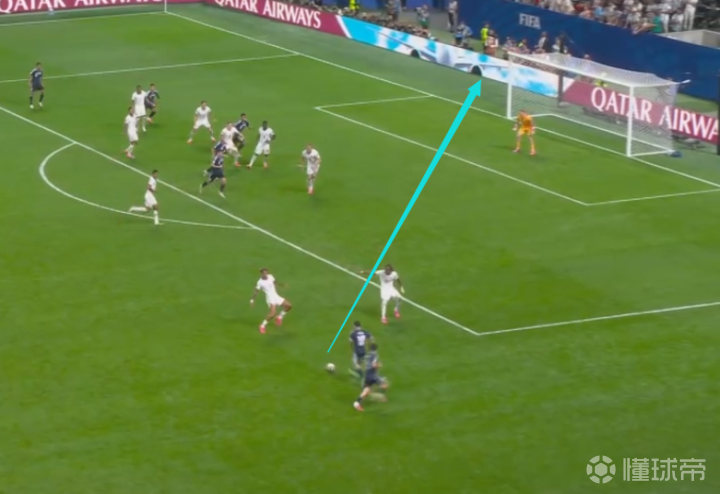
However! Even so, England did not make any significant changes. In the 87th minute, Messi had transformed from a flank attacker in the first half into a playmaker on the wing. Tuchel did not assign specific defensive measures to defend the passing point, but instead focused on defending the landing point, at the cost of the ball once again leaving home.
At 91 minutes, the second punishment arrived.
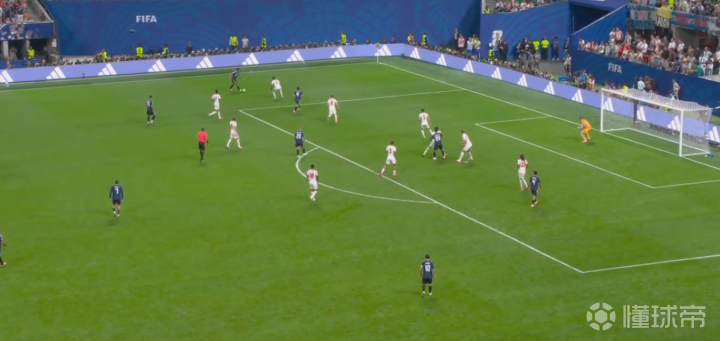
An overly flat defensive formation allowed McAllister to calmly receive the ball and unleash a long-range shot that struck the post.
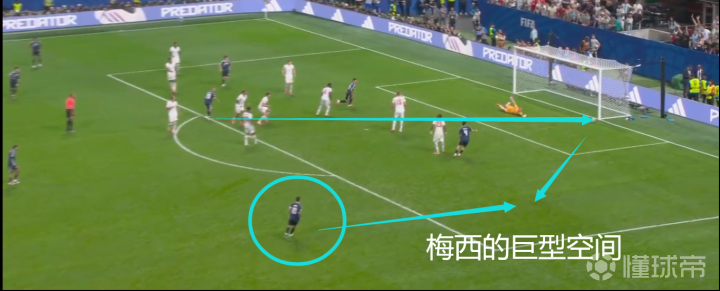
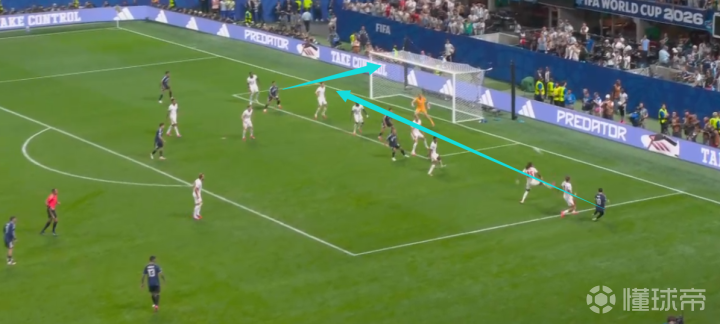
Messi regained possession and crossed from the wing again. 2.1 A last-minute winner to take the lead!
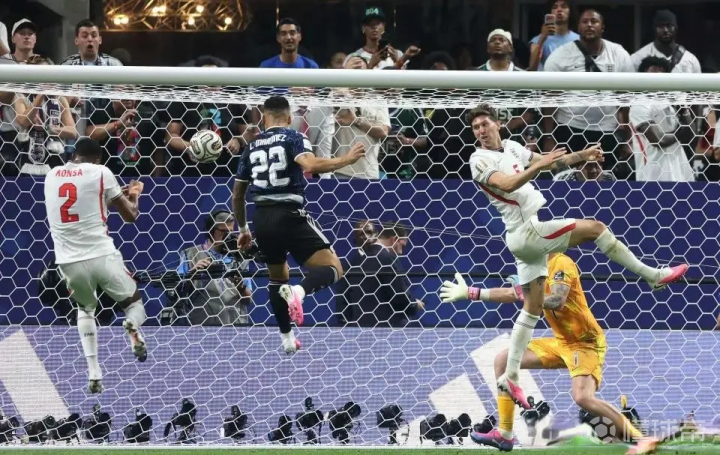
What many may not know is that in the crucial 19 minutes between Konsa's introduction as a substitute (72nd minute) and Argentina's winning goal (92nd minute), England only attempted 11 passes, with only 4 successful. These 4 successful passes even included England's kick-off from the center circle after Argentina equalized, and a pointless back pass between goalkeeper Pickford and defender Stones.
Faced with Argentina's high pressure, Pickford frequently resorted to aimless long passes, all five of which failed, with three going directly out of bounds. Furthermore, England almost completely lost their physical aggression during this period, failing to make a single successful tackle after the 63rd minute and failing to break Argentina's relentless attacks through tactical fouls. This complete loss of control under pressure demonstrates that after switching to a five-defender system, England not only lost its attacking ability but also its most basic ball possession and defensive tempo control.
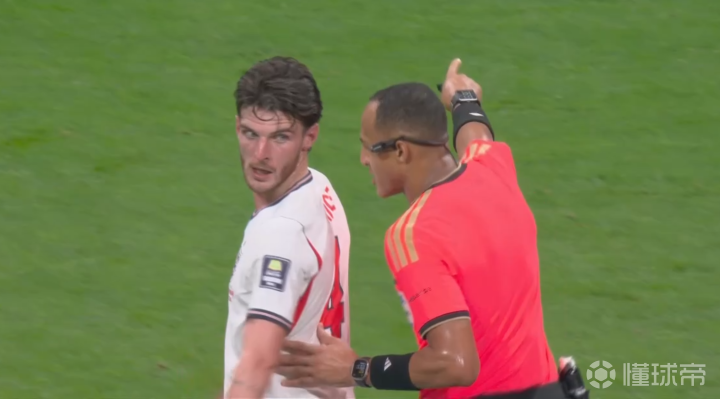
(Rice, who was substituted)
Facing England's dense low block defense, Scaloni brought on De Paul to form a double pivot with Enzo Fernandes. This double pivot focused on tactical fluidity in attack. They no longer adhered to the traditional parallel formation; instead, one of them would actively drift to the flank, creating an asymmetrical 3-1 play in the backfield. The advantage of this structure was that it could easily bypass England's few remaining sporadic pressing in the attacking third, smoothly and quickly transferring possession to the perimeter of the formation, especially to Messi, who was active on the right flank.
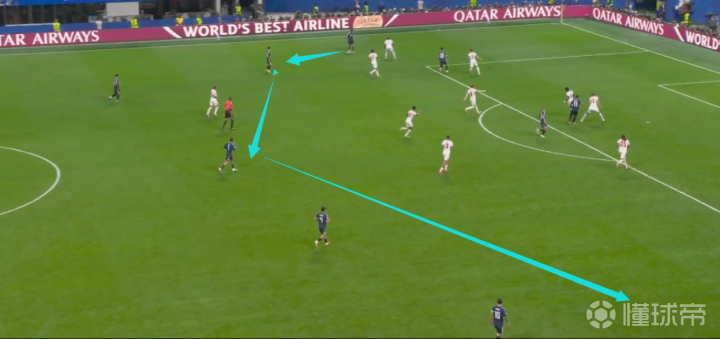
Meanwhile, Alexis Mike Allister was given a high degree of freedom in attack. He used the space created by the two holding midfielders to constantly launch off-the-ball runs from deep into the box, weaving through gaps in the England defense. This attacking style—composed of the distribution by the holding midfielders, Allister's runs, and the combined efforts of Julian Evarez—greatly increased the pressure on England's exhausted defense, ultimately leading to the collapse of the defensive system.
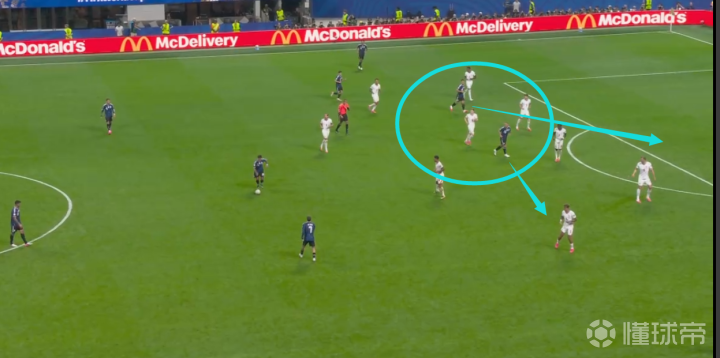
How did England play in the first 60 minutes? Overall, Declan Rice and Elliott Anderson established a solid barrier in midfield. When Messi attempted to receive the ball on his favorite right side (the half between the center circle and the penalty area), England's defenders (such as Jade Spencer or Anderson) never blindly pressed forward. Their aim was to create a double layer of defense for Messi, forcing him to pass back. As an aside, this tactic was used by Colombia against a peak Messi in 2011, and it was quite brilliant—a classic example of countering Messi.
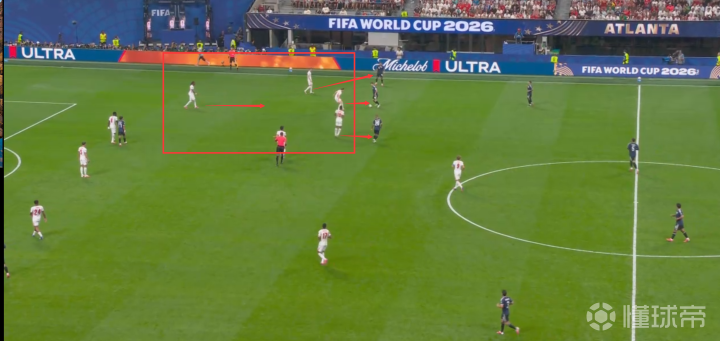
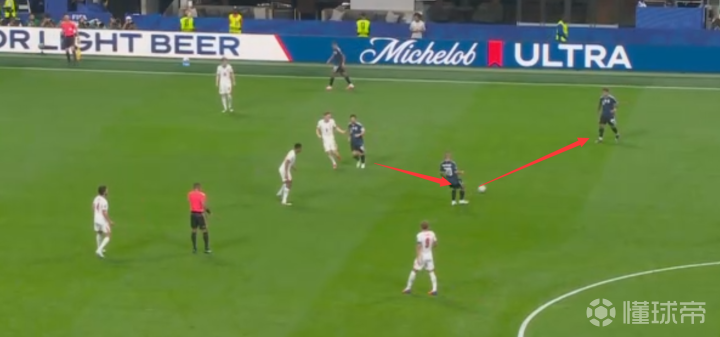
This strategy proved highly effective in the first half. Data shows that Messi had virtually no touches in the center of the England penalty area during the first half, and his only shot attempt was initiated from outside the box and quickly blocked. Furthermore, his sprint distance (defined as speeds exceeding 20 km/h) accounted for only 4.3% of his total running distance, lower than in previous matches against Switzerland and Egypt.
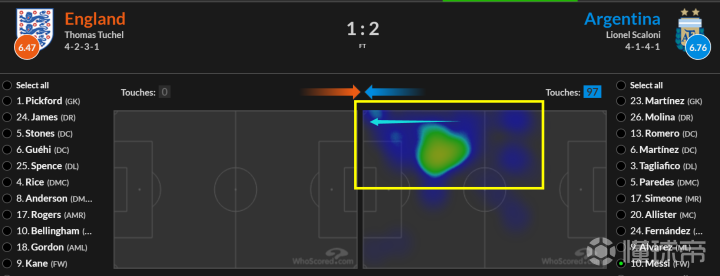
When England relinquished midfield control after scoring, retreating to a 5-4-1 formation, the central space was severely compressed, and the penalty area was crammed with defenders. Faced with this defensive wall, Messi cleverly changed his area of activity. According to the post-match heat map, Messi significantly shifted his usual position to the right flank in the second half. In the first 45 minutes of the match, he only had one touch in this sideline area (extending from the edge of the penalty area to the halfway line).
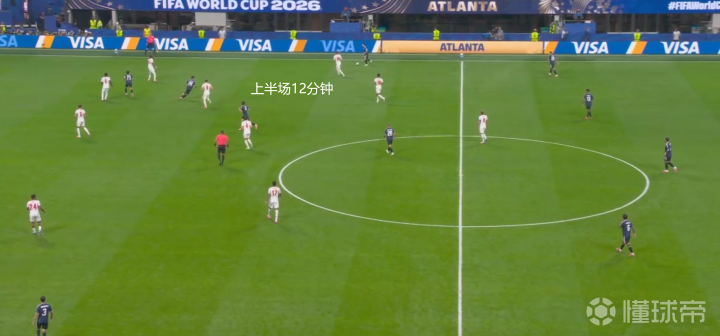
In the second half, this area became his main battleground for dismantling England's defense. Away from the dense central defensive pressure, Messi gained ample time to observe and create space for crosses. He attempted a remarkable six crosses from open play in this area during the second half. It's worth noting that since 2015, his average number of crosses, including set pieces, in the league has been only 2.3 per game. This clearly demonstrates that Argentina and Messi, having figured out England's five-defender system, deliberately changed their usual tactics of cutting inside or short passing, instead acting as pure wing playmakers on the right flank, supplying the ball to the defense.
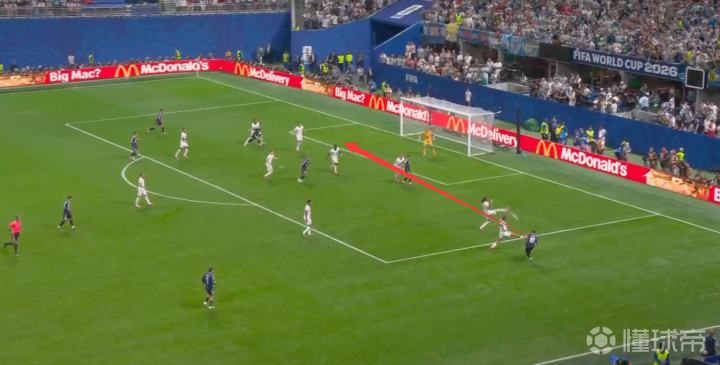
(Cross in the 87th minute)
While England's tall defense is adept at dealing with traditional English wingers' crosses from the byline, Messi's crosses from the right wing are often highly deceptive, with unpredictable curves and landing points. By drifting wide, he evaded England's central defenders, and this tactical flexibility ultimately translated into two assists that directly changed the outcome of the game.
Summarize
The turning point of the match came after England switched to a five-defender formation in the 72nd minute, and Messi's two exceptional and deadly plays. For the first two-thirds of the game, England displayed excellent tactical discipline and strong positional play, proving they had the ability to defeat the defending champions.
Unfortunately, England carries the heavy historical burden of its past since 1966. After taking the lead, this underlying psychological pressure naturally translates into a strange fear of losing. When a team deliberately relinquishes midfield control, completing only four passes in 19 minutes (possession dropping to 12%), they have effectively relinquished their participation in the game, leaving their fate entirely to their opponents. Facing Messi's historically great vision and Argentina's superior tactical awareness, this approach is tantamount to drinking poison to quench thirst.
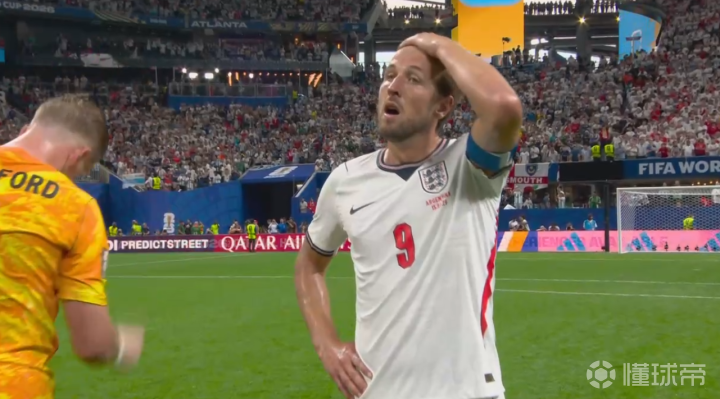
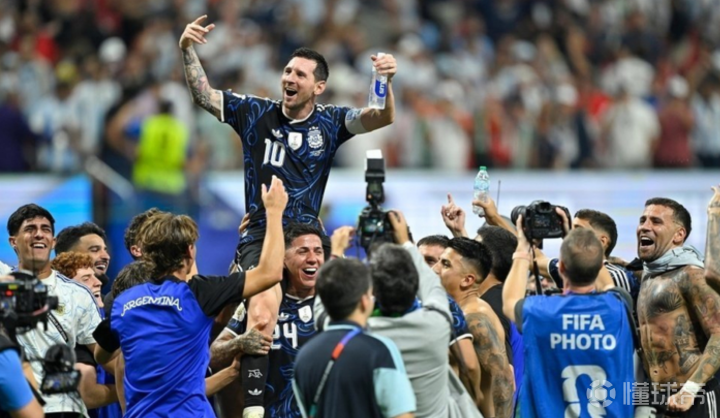
Even when trailing, the Argentine team maintained absolute composure. This is the "championship pedigree" honed through three finals appearances. The coach boldly adjusted the midfield structure, with key player Messi moving to the right flank to orchestrate the attack. All of this demonstrates that while Argentina possesses meticulous tactical execution, it also grants its players a high degree of freedom on the field.
The next final will be against Spain. If Argentina can easily maintain their 2-2-6 formation and Messi can continue his godlike performance, then all the titles of football champions will be completely irrelevant to him. He is destined to shed his mortal label and ascend directly to the ranks of immortals.
Of course, this is very difficult.
In stark contrast to England's conservative strategy of relinquishing possession, Spain's coach Luis de la Fuente has crafted a highly aggressive tactical system for his team. Spain boasts an average possession rate of 64% throughout the tournament, the highest among all teams. Even more impressive is their 68% success rate in directly intercepting possession from opponents, and their significantly higher number of ball recoveries in the attacking and midfield areas compared to Argentina.
If Argentina attempts to deploy a 2-2-6 formation with their full-backs pushing high up the pitch, the resulting gaps in their backline will be exploited by Spain's pressing and rapid counter-attacks. This is especially true for the talented 19-year-old winger, Lamin Yamar.

His exceptional speed and dribbling ability will pose a serious challenge to Argentine left-back Nicolás Tagliafico in one-on-one defense.
The real deciding factor in the match will be the battle between midfield dominance and defensive blind spots. Spain has employed a flexible midfield structure, with Rodri as the deep-lying playmaker, acting as both a defensive shield and the team's driving force. He has completed 648 passes in this tournament with an accuracy rate of 93%.
Facing Spain's strong midfield control, Enzo Fernandez must utilize his pressing ability (he has already created 43 possession changes in this tournament) to try and cut off Rodri's passing lanes. From a tactical counter-strategy perspective, if Argentina wants to break Spain's dominance, they must abandon their all-out attacking approach and instead exploit the space behind the right flank left by Spain's left wing-back Marc Cucurella's habitual high runs.
Data shows that Spain's only goal conceded in this tournament came from a cross from the right wing that broke through the defense.
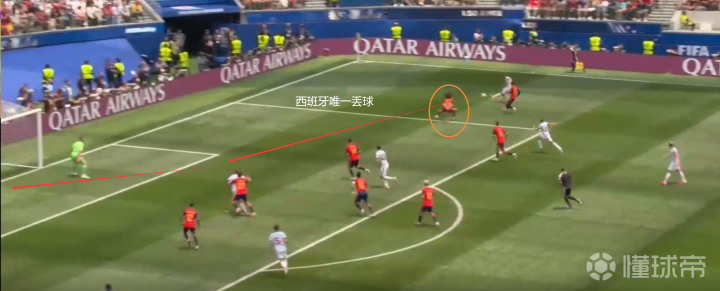
This perfectly aligns with Messi's tactical habit of shifting the ball significantly to the right flank in the latter part of the match, as mentioned earlier. If Argentina can win back possession in the midfield scramble and quickly transition the ball to the right flank, relying on Messi to directly challenge the defensive space behind Americk Laporte, this would be Argentina's most threatening way to break through in the final.
That concludes this episode's recap of the Argentina vs. England match. I'm Shanchuan Youyuan, and I welcome your comments below. See you next time!