Author|Yan Zimeng
Edited by Wan Yu
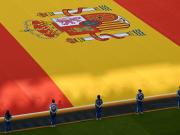
Marc, 24, is from Vilassar de Dalt, a town under the jurisdiction of Barcelona. During the World Cup, he often watched the Spanish national team's matches with his friends. He fell silent when the national anthem played; the Spanish national anthem has no lyrics, and his complex feelings towards the team left him speechless.
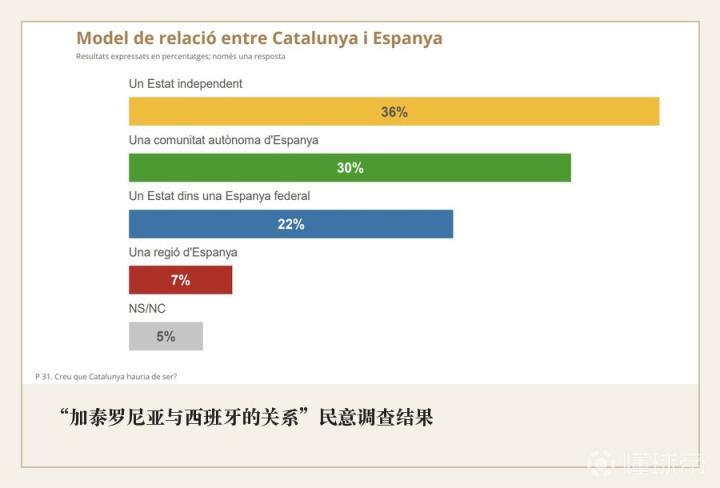
In July of this year, the latest opinion poll from the Centre d'Estudis d'Opinió (Catalan Public Opinion Research Center) showed that 36% of Catalans support Catalan independence, while 30% believe Catalonia could be part of Spain but should retain its autonomy. Those who support close ties between Catalonia and Spain are less than 30%.
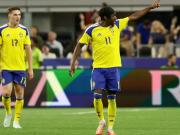
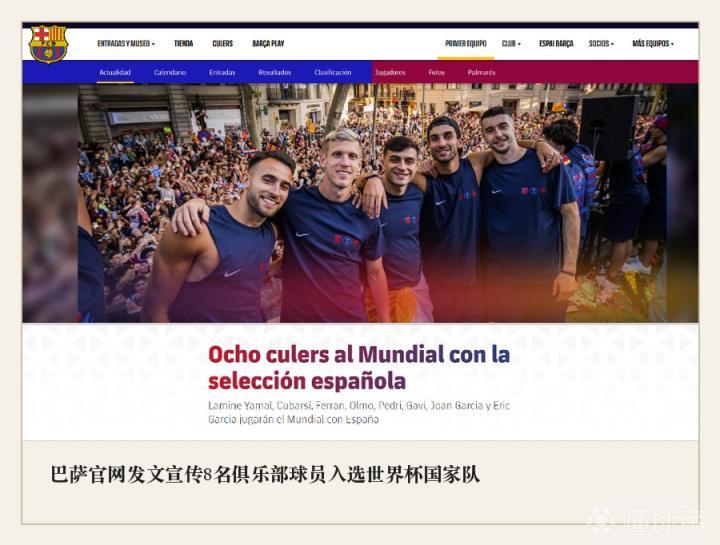
Marc's views lie somewhere between "supporting independence" and "maintaining a high degree of autonomy," making him a moderately radical Catalan separatist. He cheers for Spain's goals, but he doesn't support the concept of a "national team." He cheers for individual players, especially those from Barcelona. In this World Cup, Spain has eight players playing for Barcelona, while their arch-rivals Real Madrid have none (Cucurella confirmed his move to Real Madrid during the World Cup).
He watched the semi-final live with his family; his brother, who lives alone elsewhere, also came home. After the match, everyone gathered to celebrate, while videos of the Spanish royal family's celebrations circulated in local media. Mark didn't buy into the narrative of promoting royal national pride: "I just find it strange that they (the Spanish royal family) belong to the Bourbon dynasty, their bloodline is French. Spain beat France, what are they so happy about? "
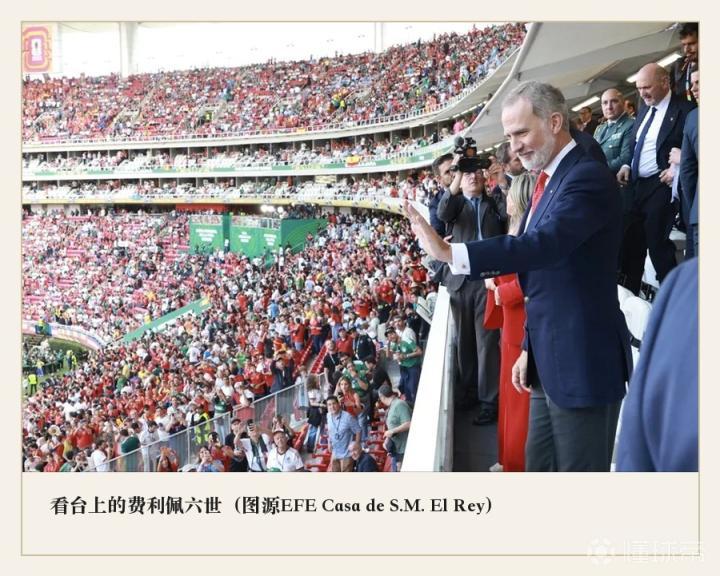
During the group stage match against Uruguay, King Felipe VI was seen in the stands, which disgusted Mark: "This man is in that position because his army killed the Republicans. The dictator who put his father to power forced my ancestors to do manual labor and forbade them from speaking our language."
In 1939, the Republicans lost the civil war, and Spain subsequently entered a period of nearly forty years of dictatorship. After dictator Franco came to power, he restored the monarchy that had been interrupted by the Spanish Republic, and bypassed the liberal-leaning rightful heir, Don Juan, designating Don Juan's ten-year-old son, Juan Carlos, as his successor to the throne, ensuring that he would receive education and training under his supervision.
Half a century has passed since Spain's democratic transition following Franco's death. Juan Carlos, who grew up under Franco's watchful eye, unexpectedly supported reformers, pushing for a series of new policies and a new constitution. However, in 2014, Juan Carlos abdicated amidst scandal, and the throne passed to his son, the current King Felipe VI. Some Spaniards still harbor lingering fears about the current king, viewing him as a remnant of the dictatorial era, a history that still casts its shadow on contemporary Spanish society.
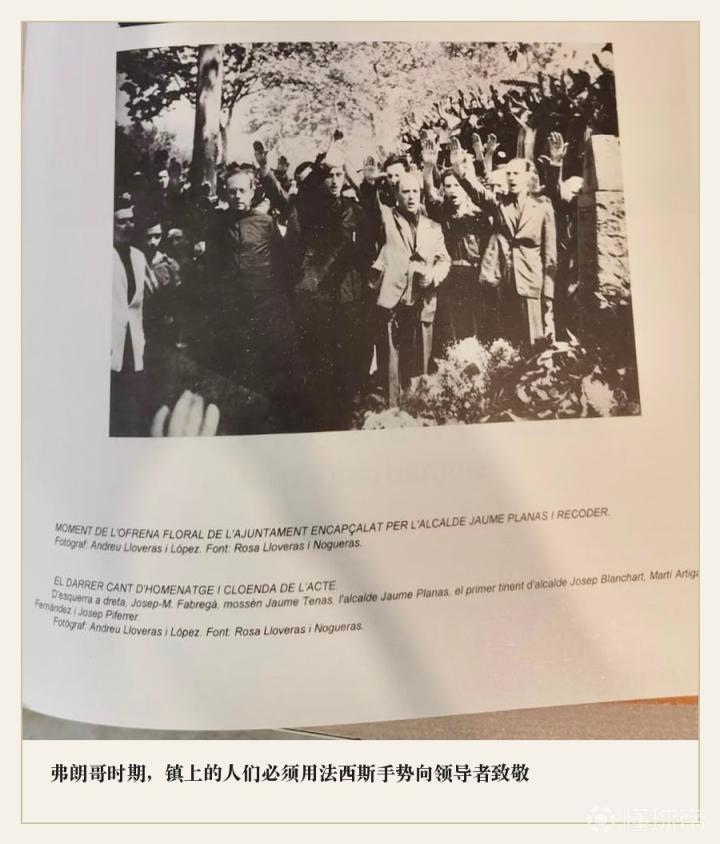
The church in Markt is one of the remaining images. After the civil war, buildings were rebuilt everywhere. The Franco regime established the "labor for punishment" system, and tens of thousands of Republican prisoners of war and political prisoners were incorporated into disciplinary labor teams. People in defeated areas were also conscripted under various pretexts to work without pay to build dams, railways, highways, mines, churches, etc.
The Republicans, advocating secularization and limiting religious privileges, resisted fiercely in Catalonia, where Barcelona is located, until the end of the civil war. After Franco came to power, he strengthened the political status and rights of Catholicism. Marc's great-grandfather was forced to join the reconstruction of the church. The project lasted a long time, and when Marc's grandfather reached working age, he was also sent to work on the church without pay. To this day, his grandfather reacts strongly and can't help but curse whenever he sees priests, churches, or anything related to religion on the street.
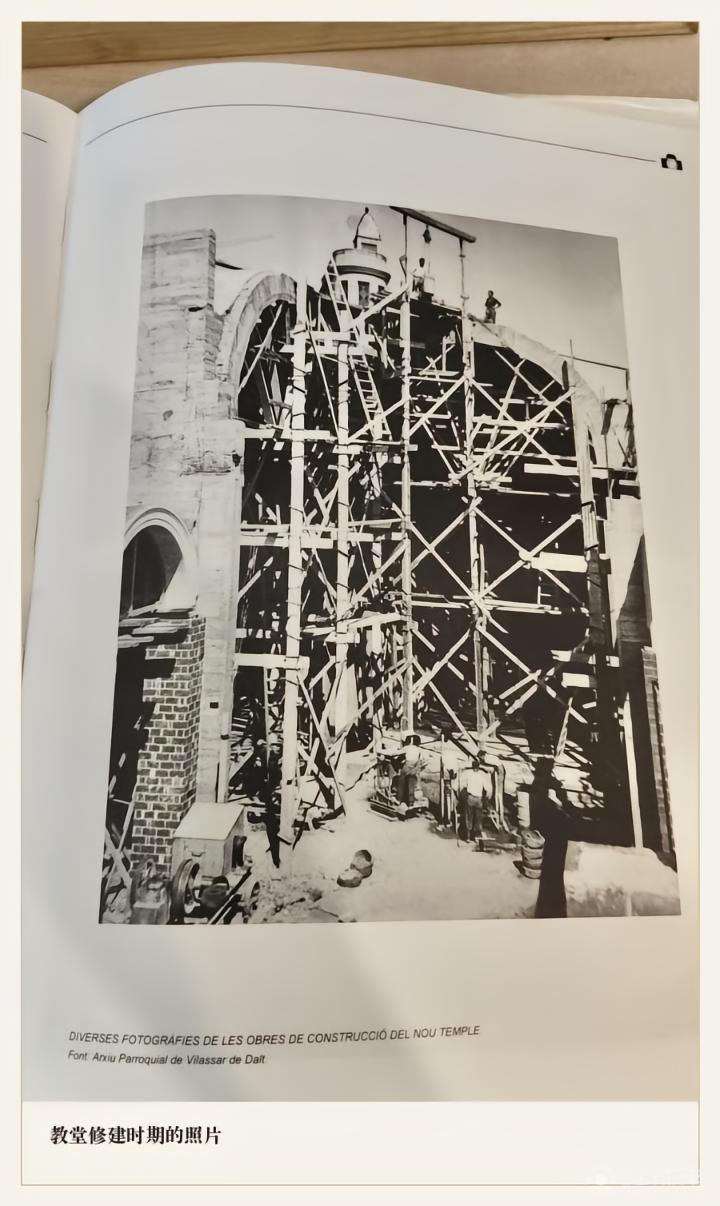
Franco implemented an extreme "one country, one language" policy in Spain, severely suppressing the local cultures of Catalonia, the Basque Country, and Galicia. He completely banned local languages in schools, government offices, media, and public signs, forcibly promoting a single Castilian language (standard Spanish). Speaking Catalan on the street was punishable by law.
In 1978, Spain introduced a new constitution to protect cultural diversity, granting Catalan, Galician, Basque, and other languages the status of "common official languages" in their respective regions. Following the end of extreme assimilation policies, people in these regions became more focused on protecting their own culture and language use, and regional independence ideologies grew stronger.
Mark speaks Catalan with locals, English with immigrants, and rarely uses standard Spanish: “ Speaking a language different from the rest of Spain makes you more aware of your own culture —I see that in the Basques and Galicians as well.” In some left-wing bars in Galicia, Catalan independence flags are always displayed, and locals explain: “We independence advocates support each other.”
Sant Jordi, a unique festival in Catalonia, is Marc's favorite holiday. Every year on April 23, people exchange roses and books. On this day, Gaudí's Casa Batlló is decorated with red roses, and the front of the house is crowded with people taking photos.
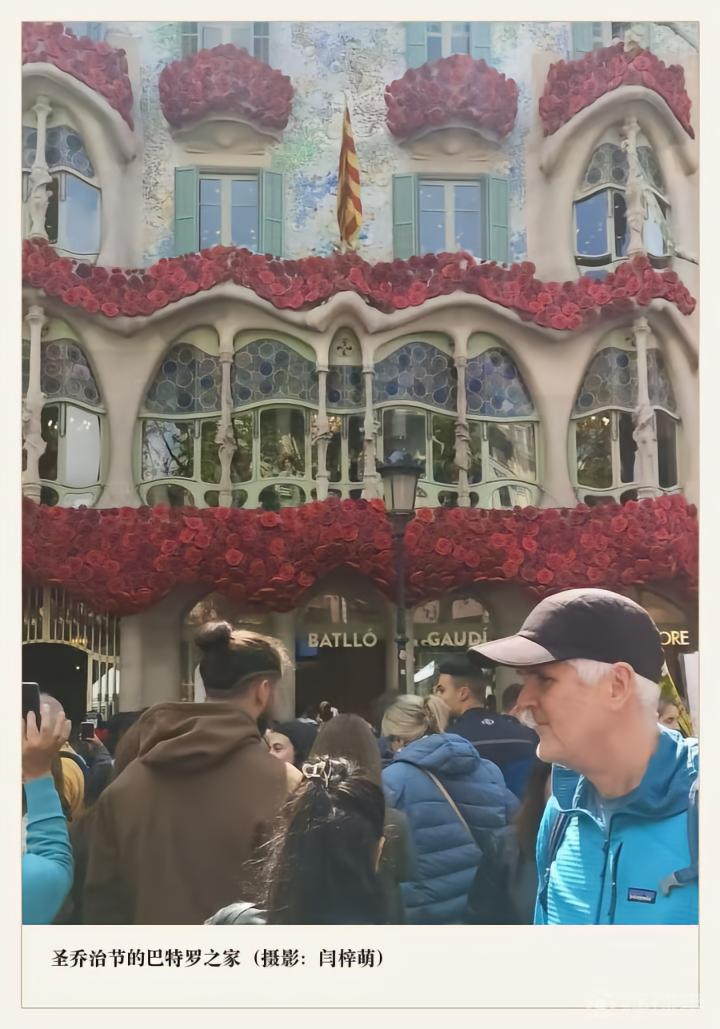
Education has shaped the local people's perspective. Mark recalls his history teacher emphasizing Catalan figures and events outside the textbook; literature classes also taught many local authors writing in Catalan. He particularly enjoyed the work of Mercè Rodoreda during his school years. Earlier this year, the Barcelona Centre for Contemporary Culture (CCCB) hosted a special exhibition of Rodoreda's work, with many exhibited works and accompanying descriptions written exclusively in Catalan.
Barcelona is also an important link to Catalan identity. When Marc was a child, important Barcelona matches were big events at home.
His uncle's family had all the TV channels available, and they would always gather there to cheer for Barcelona. He also remembered the 2010 World Cup, when seven players on the Spanish team were from Barcelona. In the semi-final, Puyol scored the winning header. In the final, Iniesta scored the decisive goal in extra time. People jumped up, hugged each other, and the cheers of celebration echoed throughout the town. "I clearly remember the floors and walls of the house shaking, and we setting off firecrackers to celebrate the victory. Even now, sometimes I'm not watching the game, but I can tell a Barcelona player has scored just by hearing the sounds outside."
Barcelona and the Spanish national team reached their peak around 2010, when Mark was 8 years old. Football became an important catalyst for his Catalan identity. He never wanted a Spanish jersey. "The only jersey I ever had was Puyol's Barcelona jersey. He was my favorite player, always fighting for his teammates, and that flowing long hair was so cool."
Many Catalan children dream of playing for Barcelona. "When you're young, there's a lot of influence around you pushing you to join the local club. Football is the most important sport in the region, and those matches are not just training, but also social activities."
At the age of seven, Mark joined the town's football club, Atlètic Català, to play futsal. The training ball there was very hard, and he was once hit by it and ended up in the hospital. He also made many friends there and stayed until he was 12.
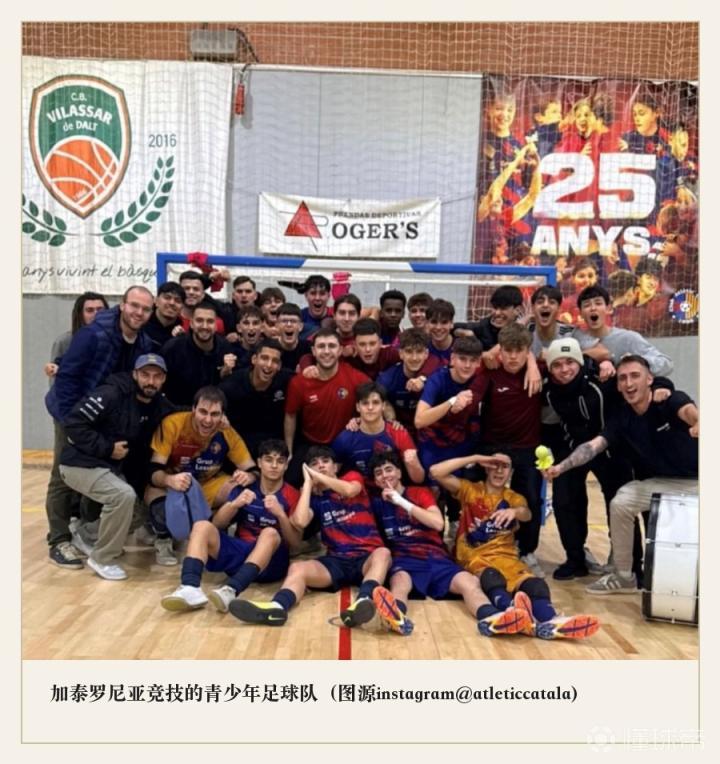
In 2017, the Catalan independence movement reached its peak when then-Regional President Carles Puigdemont initiated an independence referendum. Marc was 15 years old that year, and residents of Vilassa del Dalte flocked to the polling station in the town square to cast their votes. The national Civil Guard arrived to prevent the referendum and confiscated ballots. Neighbors tried to stop the Civil Guard, resulting in physical altercations. The Catalan police (Mossos d'Esquadra) also received orders to prevent the referendum, but largely failed to comply.
Mark witnessed police officers fighting each other: "Many local police officers support Catalan independence, and they clashed with police who were forcefully blocking the vote." Back home, he saw more news footage on television: the National Guard used batons to disperse crowds and even beat elderly people. Some residents had purple eyes from the beatings but still insisted on putting their ballots in the ballot box.
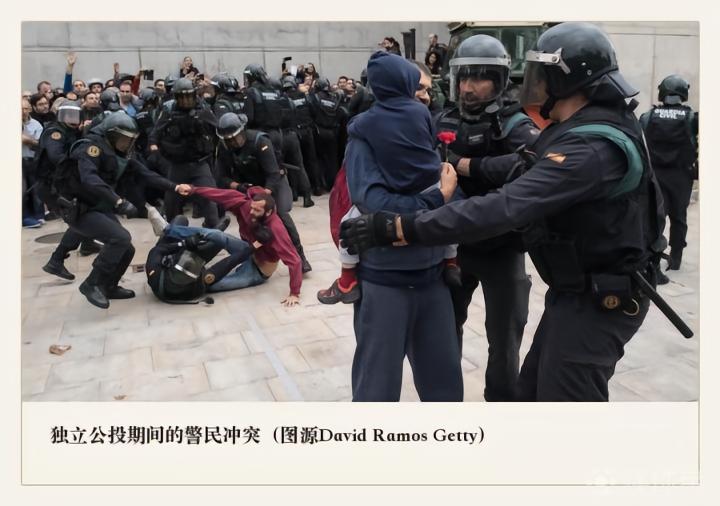
The Catalan regional government claimed that 90% of the votes supported Catalonia's independence from Spain. However, the actual voter turnout was only 42.3%, failing to reach a majority and casting doubt on its legitimacy. Then-Spanish Prime Minister Rajoy declared the independence referendum invalid, while Puigdemont fled to Belgium and established a "government-in-exile." The independence referendum ultimately came to nothing.
Both Spain and Barcelona subsequently declined from their peak. The Spanish team performed poorly in two consecutive World Cups, Messi left Camp Nou, and Barcelona fell into the pain of generational change.
In recent years, Mark has felt that the strongest moment of independence has passed, and people's passion for Barcelona is being rekindled.
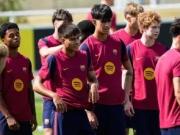
After 2023, a new generation of players from La Masia emerged, bringing new life to both the club and the national team. Barcelona regained the La Liga title in the 2024-25 season, and Spain won the European Championship in 2024. Barcelona's young players received much attention, with Marc's favorite being Kubasi. That summer, I met some Senegalese men selling counterfeit jerseys in downtown Barcelona. Although the Spanish national team won, they told me that Yamal's Barcelona jerseys were selling like hotcakes.
As for the other players on the national team, Mark also expressed his support: "As long as they are players with good character and friendly manners off the field, I will support them. Besides, when they win, the players I like also win."
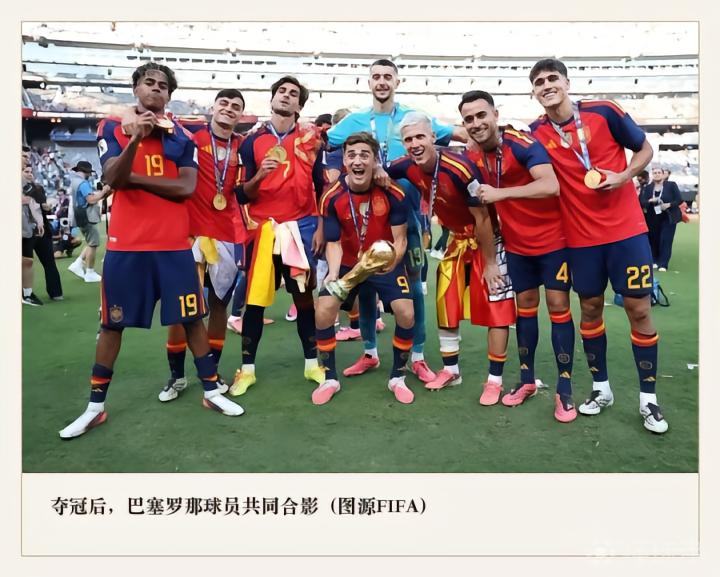
Mark is surrounded by some Catalans who, for reasons such as independence, oppose the national team and support Spain's opponents or neighboring countries like Portugal and France in every match , which he finds hard to understand. In his view, sports should be about "supporting where you are, always winning and losing with the same team; otherwise, victory is meaningless."
Catalonia also has many people who are indifferent to "independence." Immigrants from other regions and countries naturally have no emotional attachment, some local families were conservatives who supported Franco in the past, and many others don't participate in politics. Their support for the national team is simpler. Marc understands these people, but he can't be like them. He also wants to identify with "ESP," but he can't. If he could remove the national team crest and only support individual players, it would be much easier for him.
He is cheering for Ferran Torres and Cubasi right now, just like he did for Iniesta and Puyol sixteen years ago.