According to The Athletic, there were 384 reports of domestic violence related to football in England and Wales during the 2026 World Cup, a record for a major men's football tournament.
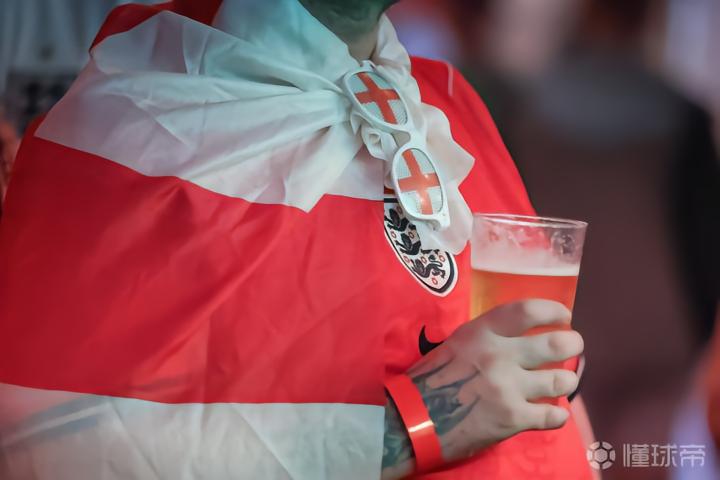
The UK Football Police received 384 reports of domestic violence, more than in any of the previous two World Cups and two European Championships. Domestic violence accounted for 17% of all reports received by the Football Police during the tournament. England finished third in the tournament after losing to Argentina in the semi-finals.
The UK Football Police stated that English fans traveling to the US and Mexico to watch the matches behaved "exemplarily," with only 22 incidents triggering police action. However, the situation was quite different in the UK. During the tournament, the UK Football Police received a total of 2,322 reports of various incidents, exceeding all other competitive events except for Euro 2020, which was actually held in the summer of 2021.
93% of the reported incidents were related to England's matches, with the quarter-final against Norway and the semi-final against Argentina being the most frequent.
Experts had previously explained to The Athletic why they were concerned about a rise in domestic violence during the event.
Veronica Oakeshott, head of external affairs at the anti-domestic violence charity Women's Aid, said in a statement: "Football matches do not cause domestic violence, but factors associated with high-profile matches, such as increased alcohol consumption and heightened emotions, may exacerbate existing domestic violence in terms of frequency and severity."
Mark Roberts, head of football policing at the UK National Police Chiefs' Council, called on politicians to take a more comprehensive view of the changes to alcohol licensing regulations during the tournament and to recognize the impact of these changes on crime.
During the World Cup, venues were allowed to extend their operating hours during England's knockout stage matches. In the Round of 16 match at the Azteca Stadium, England defeated Mexico. The match was originally scheduled to kick off at 8:00 AM Beijing time, but the decision to allow venues to operate until 12:00 PM Beijing time was made only a few days in advance.
In a post-match interview with reporters, Roberts expressed concern, believing that more "street drinking" could lead to "more harm in families."
When asked about the increase in incidents during the tournament, including the number of recorded domestic violence cases, Roberts said, "Football has become a catalyst, leading some people to drink excessively, etc. We see this every week in nighttime consumption scenarios, and the police are very used to dealing with these kinds of issues, with alcohol being a major driving factor."
“I think some licensing arrangements have exacerbated this. We need to reflect, conduct assessments, and rely on existing procedures to support the hotel and catering industry, but also strike the right balance in terms of public safety.”
"The UK National Police Chiefs' Committee will conduct extensive research on domestic violence and violence against women and girls. We need to do analysis, truly understand the problem, before we can try to develop targeted solutions."
Roberts also mentioned several serious incidents in England and Wales that occurred after matches with extended operating licenses. Following the match against Argentina, a man was stabbed at a licensed premises; in another incident, a police station was surrounded by fans after a match, with some throwing bottles and other objects at officers and jumping onto police vehicles. A man was also stabbed while leaving a licensed premises after England's quarter-final match against Norway.
Ahead of the UK hosting Euro 2028, Roberts said the UK football policing service wants to continue discussions on licensing issues.
Roberts stated, "I have no doubt that from an organizational and policing perspective, Euro 2028 will be a very safe and spectacular event. That said, we will not be complacent."
"We are raising these issues now because we shouldn't be developing licensing policies 48 hours before the competition. We need to start the dialogue now, make sure we have a very clear understanding of the situation, establish a good foundation for judgment, and then work around those."