The two journalists analyzed the 2026 World Cup on a radio program on SER and gave high praise to Spain's head coach Luis de la Fuente.
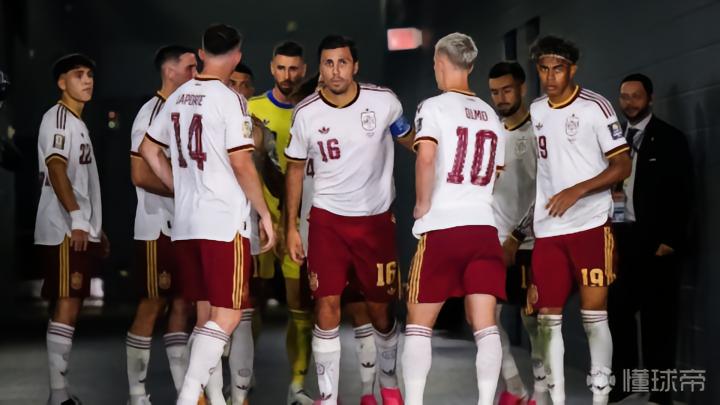
The 2026 World Cup has been etched into history with Spain's victory over Argentina in the final, but discussions about this tournament continue. Journalists Ramon Bessa and Manuel Habois analyzed the tournament, the impact of expanding to 48 teams, high ticket prices, and the importance of Luis de la Fuente on Cadena SER's "El Larguero" program.
Habois spoke positively about the expansion to 48 teams, believing the tournament was more competitive than many had anticipated: "I think some teams that didn't seem strong on paper nearly pulled off major upsets." He also focused on the passion the World Cup has generated in countries with weaker football traditions, considering it a major value: "It fascinates me to see countries without much joy or strong leagues so focused on the World Cup." However, he warned that further expansion could harm the quality of the competition: "A World Cup with 64 teams could be a bottleneck, because by then many results would already be predetermined."
Bessa gave the tournament a "good" rating. He defended the participation of emerging teams: "I opposed the previous closed-off, super-league concept that only belonged to the rich. It would be contradictory to oppose teams like Cape Verde participating in the World Cup now." However, he criticized the ever-increasing ticket prices: "I think it's unfair to punish people who go to the games with outrageous ticket prices, turning the games into a show, and having to put up with figures like Trump and Infantino." Habois shared the same view, believing that football is risking alienating its traditional supporters: "Some people are spending everything they have and don't have. Football is pushing away those with fewer resources."
Nevertheless, Bessa affirmed the emotional value of the World Cup: "The appeal of football is unmatched by any other sport. The World Cup is a return to childhood. From that perspective, long live the World Cup."
After Spain won both the World Cup and the European Championship, the two discussed whether De la Fuente could be considered the best coach in Spanish history. Habois believed that if De la Fuente continued on this trajectory, he had every reason to be in the discussion: "He could be the best, depending on how long he stays in charge." But before making comparisons, he emphasized the importance of Luis Aragonés: "He started it all. He laid the foundation, and we were able to win the World Cup and the European Championship later." Furthermore, Habois specifically praised Spain's dominance throughout the tournament: "We only conceded one goal throughout the entire tournament and were never behind. Against France, our football was insane. In the final, Argentina didn't know how to cope. They had no shots and no possession."
Beza praised De la Fuente's development trajectory within the Spanish Football Federation and the impact he left on the team: "He elevated the significance of the national team coach position itself. His rise from the youth teams to the senior team was crucial. This team has a sense of authority." Finally, Beza attributed much of the success to years of work developing players in the youth teams: "Everyone wants to learn how to play like Spain, but it can't be replicated in two days. These players were already familiar with this style in the youth teams, which made it easier for them to adapt when they moved up to the senior team."