
According to Diario Sport, the 2026 World Cup has rekindled collective memories of Spain's victory in 2010.
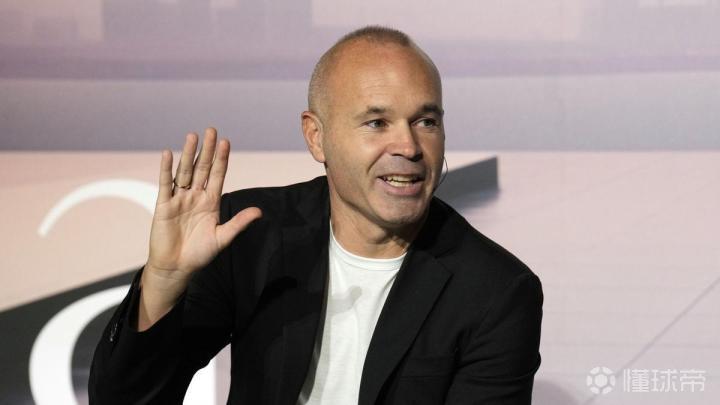
That year, 42-year-old Iniesta led Spain to the World Cup title.
This player has spoken publicly about how difficult it was for him to experience depression. He began to shine on the field at the age of 12, and as an adult, he made a decision that is not common for top players: to play football while attending college.
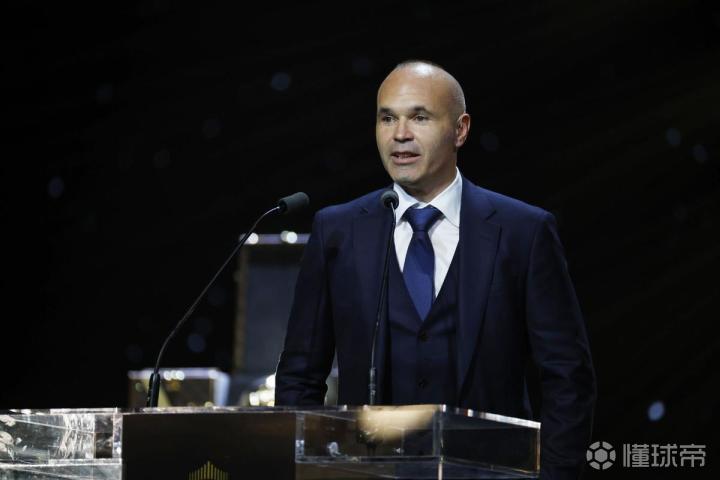
At the time, he lived in La Masia and knew his primary task was football, but Iniesta still wanted to further his studies in the field he knew well. "I was studying INEF," he said at the age of 22. He also admitted that he had always wanted to study, but football took up his time: "I have always wanted to study, but football has always been a hindrance because I don't have enough time."
His thinking is very practical: "I see this as a help, not an obligation, because my primary responsibility now is football." In his view, this major is related to sports, so it is easier to stick with: "It is a sports-related major, which is easier for me to handle. It is a field I am familiar with, so it is easier."
Being a professional footballer and a college student at the same time is not easy. Iniesta explained it clearly: "I train in the morning, and if I don't have a gym class in the afternoon, I go to university. It's just that I have less and less time to go to class." The tight schedule, heavy physical load, and intense pressure of matches make even going to class occasionally a luxury for him.
Even so, the player maintains that learning is important to him, but it must be subordinate to his football career. His self-discipline, planning, and ability to carve out time for learning also reflect his rare thirst for knowledge.
In addition to his university studies, Iniesta also wants to improve his language skills. "I feel I can improve my languages, especially English," he admitted. He then added, "I'm fluent in Spanish and Catalan, but I need to work on my English." He believes this is crucial for his career and personal future and understands the importance of bilingualism in modern football.
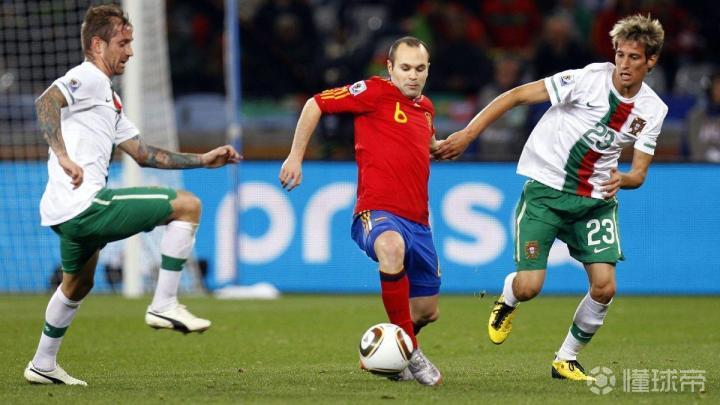
Iniesta has explained many times that his childhood was not as easy as most children's, as he was surrounded by the discipline and demands of football from a very young age. Even so, he still clearly remembers which subjects he liked in school: "I liked physical education and natural science the most." He also remembers his least favorite subject: "I disliked math the most, but it wasn't actually that bad."
These candid remarks demonstrate that even after leaving football, Iniesta retains an interest in learning and a sense of curiosity. This quality accompanied him throughout his entire career.
Iniesta's university story is more than just an anecdote. It portrays how an athlete strives to transcend football itself during the most intense and demanding years of his life. His studies at INEF, his interest in languages, and his reflections on self-education all demonstrate his discipline, humility, and thirst for knowledge. At the 2026 World Cup, when Spain revisits its 2010 championship victory, Iniesta will once again remind everyone that greatness comes not only from the pitch but also from a continuous willingness to learn.