Saudi Arabia is investing $26 billion in the 2034 World Cup, with the final match venue to be one of the world's largest stadiums.
According to British media reports, Saudi Arabia is pushing forward with preparations for the 2034 World Cup. Similar to Qatar's 2022 World Cup, a massive nationwide infrastructure project will build the necessary facilities from scratch. The tournament will be held in 15 stadiums, including 8 newly built stadiums, 3 under construction, and 4 existing stadiums that will be renovated.
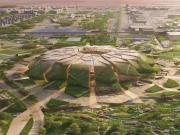
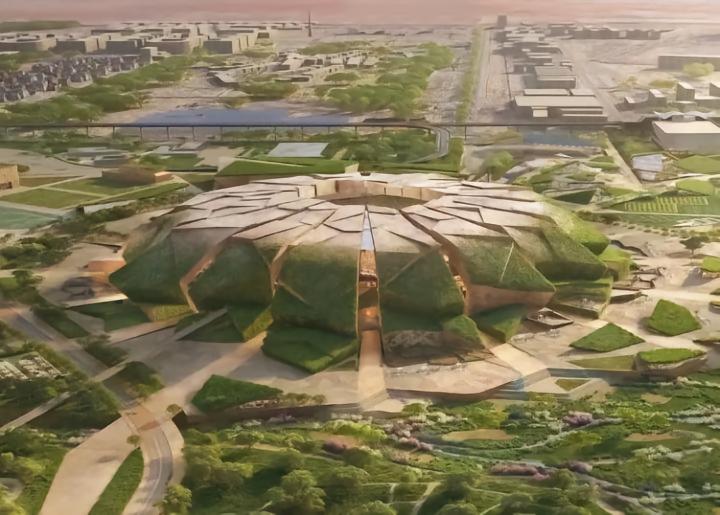
The King Salman International Stadium will be the biggest highlight. With approximately 92,000 seats, it will be one of the world's largest football stadiums, though still smaller than the stadium Morocco plans to use for the 2030 final. Located north of Riyadh, the project is expected to be completed in 2029. The stadium will feature a Royal Box for 150 people, 120 VIP boxes, 300 VIP seats, and 2,000 premium seats to accommodate FIFA's large number of dignitaries—and potentially online celebrities broadcasting the event. A sustainable cooling system will cover the seats and ground, working in conjunction with screens and indoor gardens to keep the stadium cool. The World Cup will likely be held in winter—or even postponed until 2035—when temperatures will be comfortable enough for fans to enjoy a rooftop walkway overlooking King Abdulaziz Park.
Saudi Arabia hopes the legacy of this World Cup will benefit future generations. The King Salman International Stadium will be surrounded by training fields, a fan zone, an Olympic-standard swimming pool and running track, as well as tennis and basketball facilities. A sports trail over five miles long will connect the stadium to nearby parks.
All of this comes at a high cost. In addition to stadiums, Saudi Arabia needs to build 65,000 new hotel rooms to meet FIFA requirements. SNB Capital estimates the total cost of hosting the World Cup at $26 billion. Saudi Arabia hopes this World Cup will be the culmination of its "Vision 2030" project, launched in 2019 by the Saudi Public Investment Fund, which aims to transform Saudi Arabia into a sports and entertainment hub. By 2030, the industry is projected to generate $16.5 billion in revenue, representing 1.5% of the country's GDP, and creating 100,000 jobs. The percentage of Saudi citizens participating in sports has risen dramatically from 13% in 2015 to 50%, with female participation increasing by 400% since 2015.
Esports and digital gaming are another pillar of the project, with $38 billion already allocated. Saudi Arabia has previously hosted the esports World Cup.
Could the 2034 World Cup be rescheduled? According to Politico, there's an "unprecedented scheduling dilemma." The 2022 Qatar World Cup was held from November 20th to December 18th, a period that clashes with Ramadan in 2034. Politico points out that the period between Christmas 2034 and the Hajj pilgrimage season in mid-February 2035 might be the most reasonable window, but for FIFA's ambition to expand the tournament to 48 or even 64 teams, this window may be too short.